
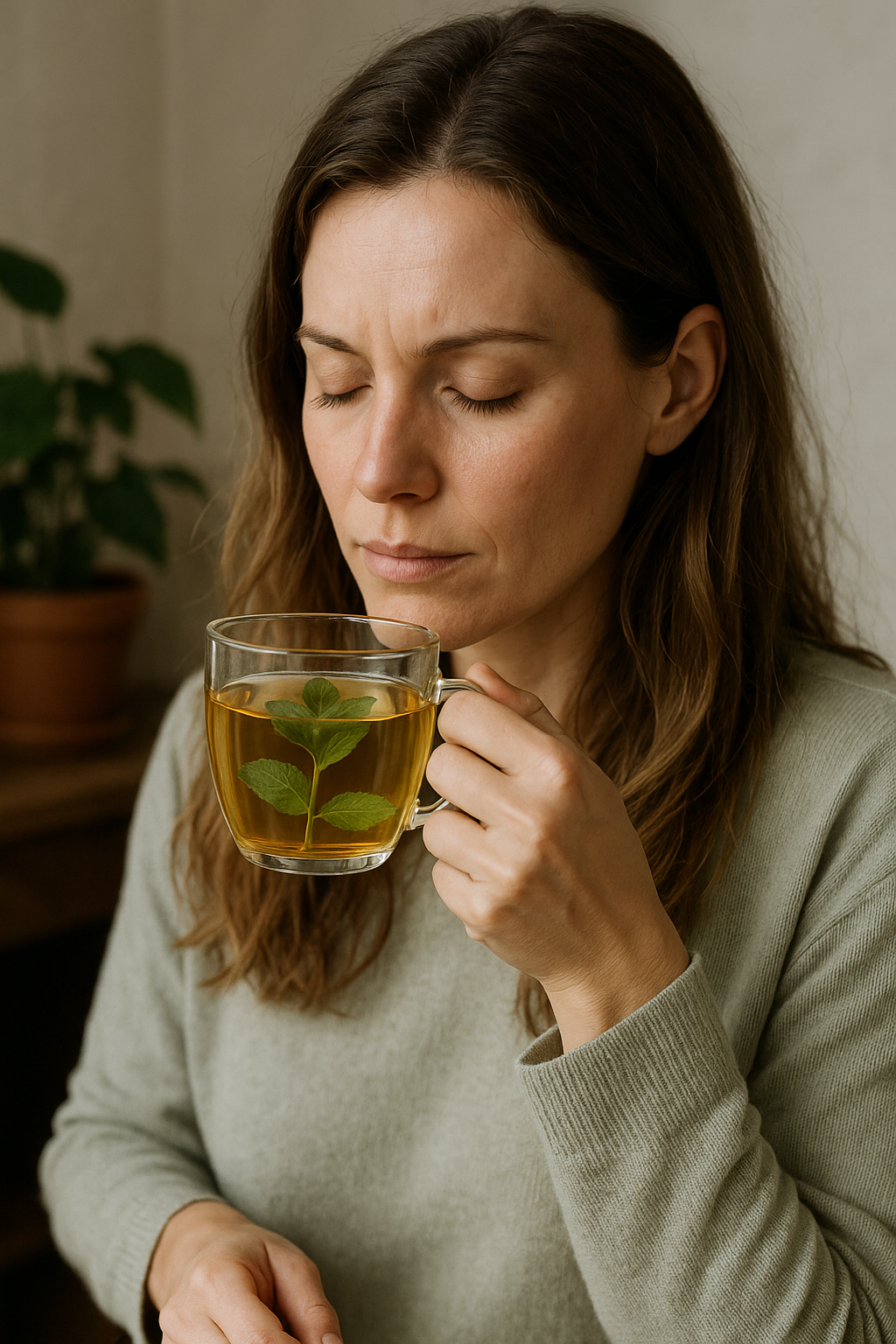
Hormonal health plays a crucial role in women’s overall wellbeing. From regulating the menstrual cycle to influencing mood, energy, and metabolism, hormones maintain delicate internal balance. When this balance is disrupted, it can lead to symptoms such as fatigue, mood swings, irregular periods, and skin changes. In recent years, the use of tea for hormonal imbalance has gained attention as a natural and holistic approach. Herbal teas, rich in bioactive compounds, can gently support the body’s endocrine system and promote equilibrium without the side effects often associated with synthetic treatments.
Table of Contents
- 1 Understanding Hormonal Imbalance in Females
- 2 The Science Behind Tea and Hormonal Balance
- 3 Types of Hormonal Imbalance in Women
- 4 Best Teas and Herbs That Balance Hormones in Females
- 5
- 6 How to Use Tea to Balance Female Hormones Safely
- 7 How to Cure Hormonal Imbalance in Females Naturally
- 8 What the Research Says
- 9 Integrating Tea Into Your Daily Routine
- 10 Conclusion: Find Balance in Every Cup
Understanding Hormonal Imbalance in Females
Hormonal imbalance occurs when there is too much or too little of a specific hormone in the bloodstream. Common causes include stress, poor diet, lack of sleep, medical conditions like polycystic ovary syndrome (PCOS), or natural life stages such as perimenopause and menopause. For many women, these imbalances manifest as weight gain, menstrual irregularities, anxiety, or low energy. Addressing such imbalances naturally is increasingly popular, leading many to explore natural remedies for hormonal imbalance in females, including the therapeutic use of specific teas and herbs.
Herbal teas contain phytonutrients that interact with hormonal pathways. Certain herbs can regulate oestrogen levels, support progesterone production, or ease adrenal and thyroid stress. When used consistently alongside a balanced lifestyle, they can provide meaningful relief and improved hormonal harmony.
The Science Behind Tea and Hormonal Balance
Tea, particularly herbal blends, offers numerous bioactive properties that may support hormone regulation. Polyphenols, flavonoids, and phytoestrogens found in many herbs act as antioxidants and mild endocrine modulators. These compounds reduce inflammation, improve insulin sensitivity, and influence hormone receptor activity.
Cortisol, insulin, oestrogen, and progesterone are all interconnected. Chronic stress raises cortisol, which in turn disrupts progesterone and thyroid function. Similarly, insulin resistance can elevate androgens, worsening symptoms of PCOS. Regular consumption of tea to balance female hormones can gently assist these pathways, supporting more stable hormonal rhythms over time.
Types of Hormonal Imbalance in Women
Oestrogen Dominance
When oestrogen levels exceed progesterone, symptoms may include heavy periods, breast tenderness, bloating, and mood fluctuations. Herbal teas containing mild phytoestrogens can help normalise oestrogen activity.
Androgen Excess
Women with high androgen levels—particularly those with PCOS—may experience acne, hair thinning, or excess hair growth. Certain teas, like spearmint, have been shown to reduce androgen levels naturally.
Progesterone Deficiency
A deficiency in progesterone may result in short luteal phases, fertility issues, or premenstrual mood changes. Herbs that promote pituitary balance can support progesterone regulation.
Adrenal and Thyroid Dysregulation
Stress-induced adrenal dysfunction can affect cortisol and subsequently influence other hormones. Adaptogenic teas such as licorice and ashwagandha help restore resilience to the stress response.
Best Teas and Herbs That Balance Hormones in Females
1. Spearmint Tea
Spearmint tea has been studied for its ability to lower free testosterone levels in women, particularly those with PCOS. Its mild anti-androgenic effect helps improve symptoms such as acne and excess facial hair. Additionally, its antioxidant properties reduce systemic inflammation. For best results, consume one to two cups daily for several weeks, particularly during the follicular phase. Spearmint is one of the most effective herbs that balance hormones in females, especially where androgen dominance is involved.
2. Green Tea
Green tea (Camellia sinensis) contains catechins, notably EGCG, which have been shown to improve insulin sensitivity and assist in regulating oestrogen metabolism. Regular use can support metabolic health and weight management, both of which are essential to hormonal balance. Green tea also provides mild caffeine for energy without overstimulating the adrenals. It is a cornerstone tea for hormonal imbalance, especially for women managing PCOS or perimenopausal changes.
3. Marjoram Tea
Marjoram has a long history in women’s health. Studies indicate that marjoram tea may help reduce DHEA-S, an androgen produced by the adrenal glands, and improve insulin sensitivity. Its mild sedative properties also aid stress reduction, indirectly supporting the endocrine system. Drinking marjoram tea twice daily for a few weeks may help normalise cycles and alleviate symptoms of hormonal irregularity.
4. Chasteberry (Vitex) Tea
Chasteberry is a traditional remedy used to support progesterone production by acting on the pituitary gland. It helps regulate the menstrual cycle and relieve premenstrual symptoms. Women with luteal phase defects or irregular cycles may find consistent use beneficial. Typically, chasteberry tea is consumed during the second half of the menstrual cycle for optimal results.
5. Licorice Root Tea
Licorice root is known for its adaptogenic properties. It helps regulate cortisol metabolism and offers mild oestrogenic effects, making it suitable for women experiencing low oestrogen or adrenal fatigue. However, licorice should be used in moderation, as excessive intake may increase blood pressure. Consuming one cup daily for two to three weeks is generally safe for most women.
6. Raspberry Leaf and Nettle Tea
Raspberry leaf tea supports uterine health and tonicity, while nettle provides essential minerals like iron and magnesium, supporting thyroid and adrenal balance. These gentle teas can be used daily throughout the menstrual cycle to strengthen overall reproductive health.
7. Ginger Tea
Ginger is another valuable ally in women’s hormonal wellness. It helps reduce inflammation, support healthy digestion, and promote balanced oestrogen metabolism. Drinking ginger tea before or during menstruation can also ease cramps and bloating, supporting overall comfort and hormonal balance.
How to Use Tea to Balance Female Hormones Safely
Brewing and Frequency
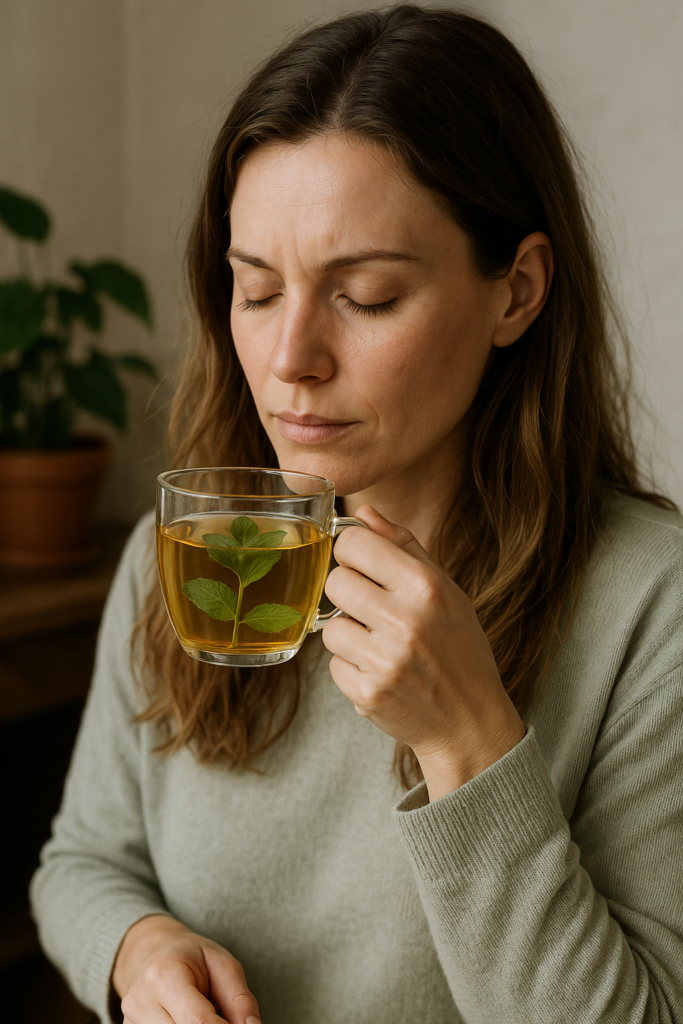
Most herbal teas are safe for daily consumption when prepared properly. Use approximately one teaspoon of dried herb or a tea bag per cup of hot water, steeping for 5–10 minutes. Drink one to three cups daily, depending on the herb’s strength. Always ensure the herbs are high-quality and caffeine-free where appropriate.
Timing Throughout the Menstrual Cycle
Aligning tea consumption with hormonal phases enhances effectiveness:
- Follicular phase (Day 1–14): Focus on oestrogen-supportive teas like spearmint or green tea.
- Luteal phase (Day 14–28): Switch to progesterone-supportive teas like chasteberry or raspberry leaf.
- Menstrual phase: Use anti-inflammatory teas such as ginger or chamomile to ease discomfort.
- Perimenopause and menopause: Combine green, licorice, and nettle teas for general endocrine support.
Safety and Precautions
Herbal teas are potent natural substances. Pregnant or breastfeeding women, or those taking hormone-related medications, should seek medical advice before introducing new herbs. Avoid excessive intake, particularly of licorice and chasteberry, and discontinue use if any adverse reactions occur.
How to Cure Hormonal Imbalance in Females Naturally
Teas form a cornerstone of holistic hormone care, but achieving full balance often requires broader lifestyle adjustments. To cure hormonal imbalance in females, it is vital to support the body with nourishment, rest, and stress management.
Nutrition for Hormonal Health
A diet rich in whole foods, lean proteins, healthy fats, and fibre supports stable blood sugar levels and healthy hormone production. Cruciferous vegetables like broccoli and kale aid oestrogen metabolism, while omega-3 fats from flaxseeds and fish reduce inflammation. Hydration also plays a crucial role in hormone detoxification.
Managing Stress and Sleep
Chronic stress triggers cortisol elevation, disrupting oestrogen and progesterone balance. Prioritising relaxation techniques such as yoga, breathing exercises, or meditation helps regulate cortisol naturally. Aim for seven to nine hours of quality sleep each night to support circadian and hormonal stability.
Regular Physical Activity
Moderate, consistent exercise such as walking, swimming, or strength training enhances insulin sensitivity and stimulates natural hormone production. Avoid over-exercising, which may suppress menstruation and worsen hormonal imbalance.
Avoiding Endocrine Disruptors
Everyday chemicals such as BPA, phthalates, and parabens can mimic or block hormonal activity. Reducing exposure by choosing natural personal care products, glass food containers, and organic produce helps protect hormonal function.
What the Research Says
Modern research supports the role of herbal teas in improving hormonal health:
- A randomised trial on marjoram tea found it reduced adrenal androgens and improved insulin sensitivity in women with PCOS.
- Spearmint tea has demonstrated anti-androgenic effects and reduction in hirsutism when consumed twice daily for a month.
- A meta-analysis of herbal teas in women with PCOS reported significant improvements in fasting blood glucose and hormonal profiles.
While these results are promising, herbal teas should complement—not replace—medical care. They are most effective when part of a wider lifestyle and nutritional strategy.
Integrating Tea Into Your Daily Routine
Incorporating tea for hormonal imbalance into your day can be simple and enjoyable. Start your morning with green tea for gentle stimulation and metabolic support. Midday, opt for marjoram or spearmint tea to stabilise hormones and digestion. In the evening, unwind with a soothing cup of chasteberry or raspberry leaf tea to promote balance and relaxation. Keep a journal to track how different teas affect your cycle, mood, and energy.
Conclusion: Find Balance in Every Cup
Hormonal balance is central to a woman’s physical and emotional health. Choosing the right tea to balance female hormones can be a meaningful step toward achieving that equilibrium. Whether it’s spearmint to reduce androgen levels, green tea to improve metabolism, or chasteberry to support progesterone, herbal teas offer a natural, effective, and enjoyable path to wellbeing.
For best results, combine herbal teas with a nutrient-dense diet, consistent sleep, and mindful stress management. Consult a qualified practitioner before beginning any new regimen, particularly if you have underlying conditions.
At Mother Cuppa Tea, we believe every woman deserves harmony within her body. Our expertly crafted blends are designed to support hormonal health naturally, one cup at a time — helping you feel energised, balanced, and in control of your wellbeing.