
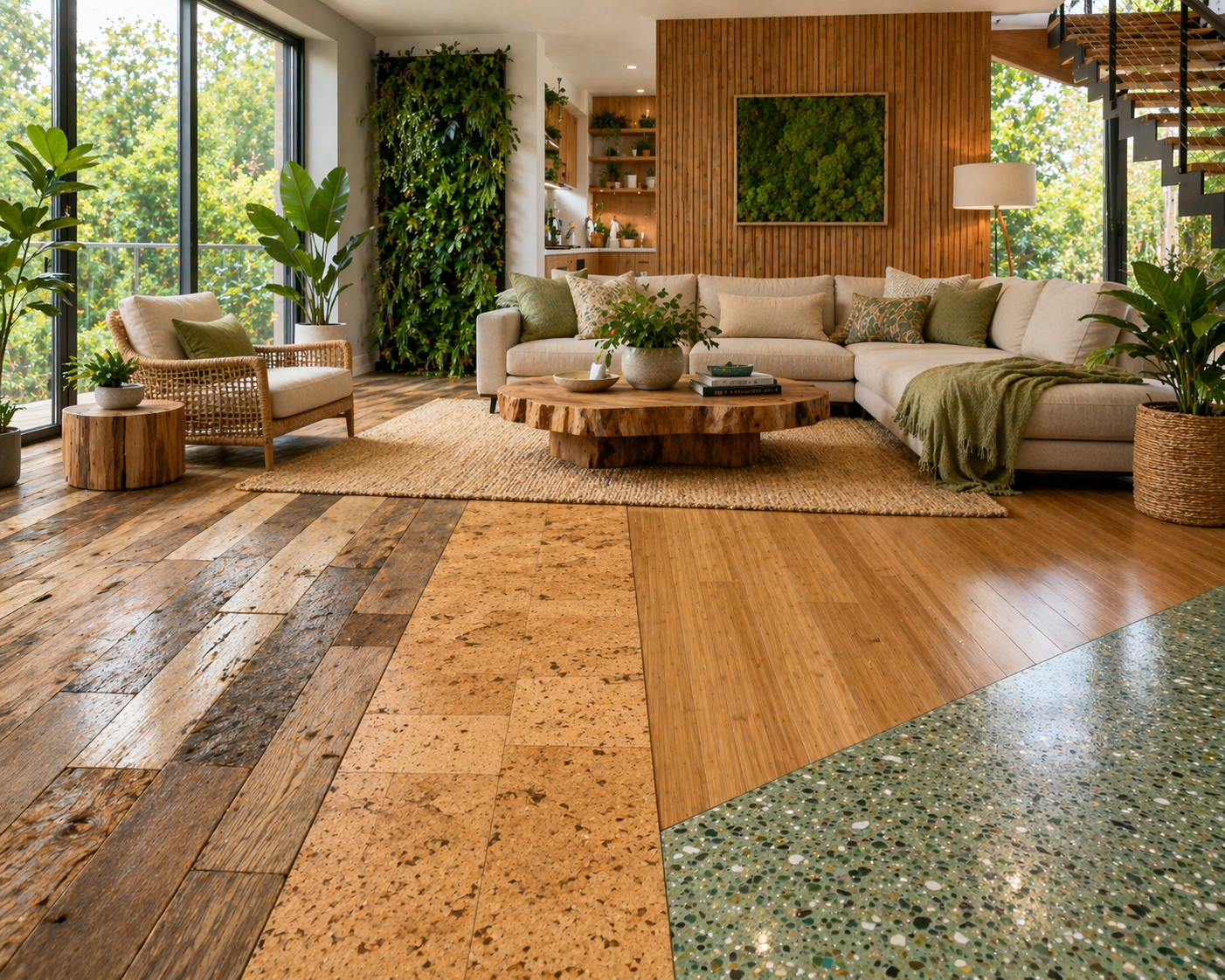
Modern flooring goes beyond style and durability; today’s homeowners and builders are focused on choosing eco-friendly materials that support sustainable living. Whether you are renovating a single room or considering a whole-house remodel, environmentally responsible choices are available for every need. For those looking to upgrade other home features, exploring options such as Bathtub Reglazing in Raleigh, NC can also complement your green living efforts.
Sustainable flooring is no longer limited to bamboo or reclaimed wood; today’s innovative products offer a variety of textures, finishes, and environmental benefits. Choosing the right flooring can help reduce your carbon footprint while creating a beautiful, healthy indoor environment. Consumers now have an opportunity to make more conscious decisions that benefit both their homes and the planet.
Eco-conscious flooring can also improve indoor air quality and provide unique aesthetic touches that reflect personal taste and values. Many of these options not only perform well but also incorporate recycled or rapidly renewable raw materials, helping you feel good about your design selections and environmental impact. Choosing sustainable flooring can play a key role in certifications like LEED and contribute to healthier living spaces for families with allergies, pets, or young children. With a wide range of innovative materials available, every homeowner can find a solution that fits their lifestyle and design vision.
Table of Contents
Bamboo Flooring
Bamboo is defined by its rapid regeneration capabilities, making it a standout choice among renewable flooring materials. Unlike most hardwood trees, which take decades to mature, bamboo can be harvested every 5 to 7 years. It boasts impressive durability and a modern aesthetic that works well in both residential and commercial spaces. Be sure to select bamboo certified by reputable organizations, such as the Forest Stewardship Council, to guarantee that it comes from responsibly managed sources.
Cork Flooring
Cork is obtained by carefully removing the outer bark of cork oak trees, allowing the trees to continue growing and regenerating their bark for future harvests. This unique method makes cork one of the most sustainable flooring materials. Cork flooring offers comfort underfoot and excellent sound insulation, making it an ideal option for bedrooms and living areas. The natural antimicrobial properties add an extra layer of protection for those with sensitivities or allergies.
Reclaimed Wood
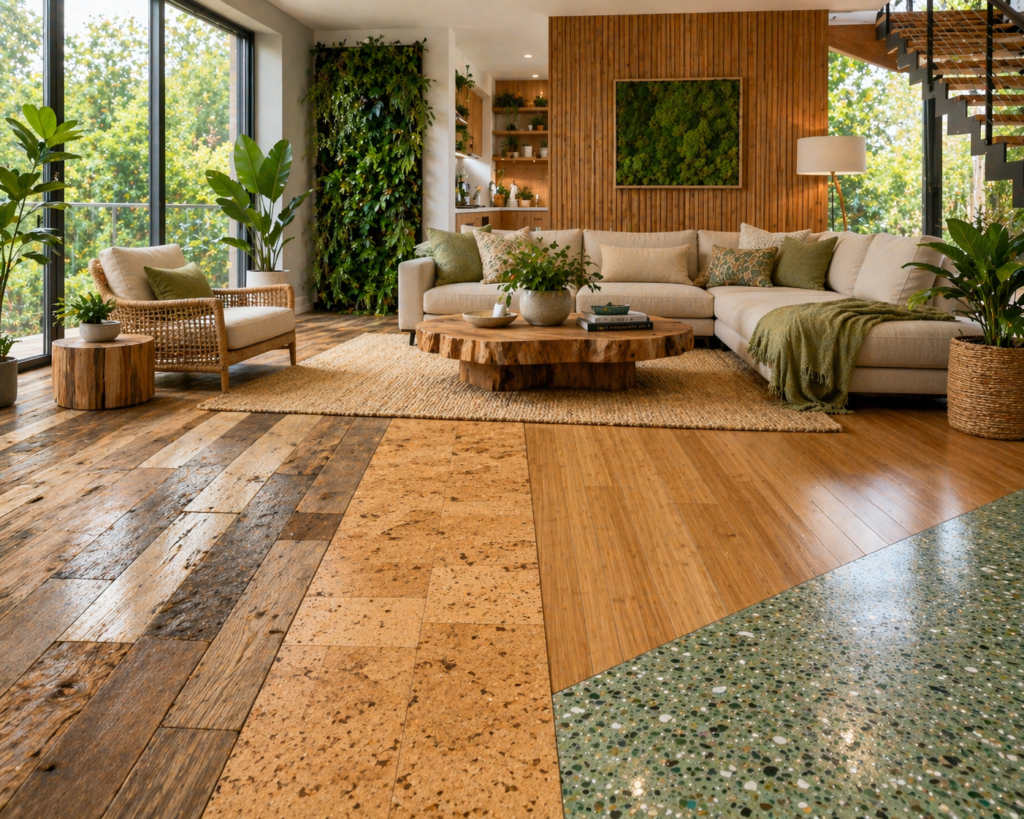
Reclaimed wood flooring brings character and a sense of history to interior spaces. By repurposing materials from barns, factories, and even old ships, reclaimed wood not only conserves resources but adds distinctive visual interest to a room. Each board contains unique patterns, weathering, and patina that make reclaimed wood unmatched in warmth and authenticity. Those who appreciate sustainability and craftsmanship will enjoy both the environmental and aesthetic benefits of choosing reclaimed materials.
Linoleum and Marmoleum
Linoleum, and its modern iteration, Marmoleum, are classic flooring choices made from all-natural ingredients, including linseed oil, wood flour, and cork dust. These materials are fully biodegradable and emit minimal VOCs, thereby improving indoor air quality. Linoleum is renowned for its resilience, and newer lines come in vibrant colors and patterns suitable for both traditional and contemporary spaces.
Recycled Glass Tiles
Recycled glass tiles are made from post-consumer glass, giving materials a second life that might otherwise end up in landfills. These non-porous tiles are ideal for areas exposed to water, such as bathrooms and kitchens, since they resist stains and moisture. The translucent sheen of glass can expand the feeling of light and space in a room, providing both function and beauty. The manufacturing process for these tiles is energy-efficient and requires fewer raw resources than traditional tile production, adding another layer of sustainability to your project.
Eco-Friendly Carpet Tiles
Carpet has long been favored for its warmth and comfort, but traditional carpet can include synthetic fibers and chemical treatments. Modern eco-friendly carpet tiles are made from recycled materials, such as plastic bottles and fishing nets, and feature backings that are also designed for recyclability. The modular nature of carpet tiles makes maintenance easy, as individual squares can be replaced if damaged. This not only keeps waste out of landfills but also helps extend the life of your flooring investment.
Sustainable Gym Flooring
In active spaces, sustainable gym flooring combines environmental responsibility with athletic performance. Options like recycled rubber or PVC provide cushioned and durable surfaces ideal for high-traffic fitness environments. Manufacturers are increasingly prioritizing the use of post-consumer or post-industrial recycled materials, minimizing ecological impact while still delivering the shock absorption and support needed for exercise facilities. These solutions help meet the growing demand for healthier, greener workout spaces.
Conclusion
Eco-friendly flooring offers more than a trend, as it is an investment in the future of your home and the environment. With choices ranging from bamboo and cork to recycled glass and rubber, today’s flooring solutions provide outstanding durability, comfort, and design versatility while minimizing resource depletion and waste. By prioritizing sustainable materials in your renovation, you can enjoy a stylish living space that reflects your values and demonstrates a commitment to a greener world.