
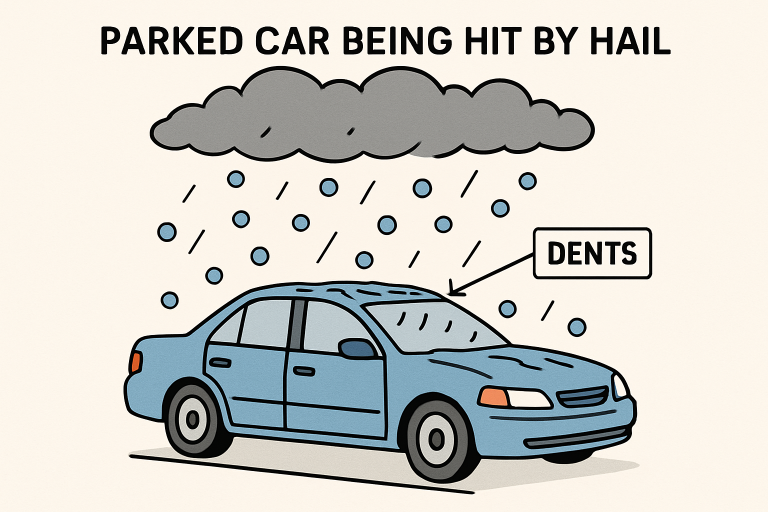
Hailstorms are among the most unpredictable and damaging weather events for vehicle owners. Even a brief storm can leave your car with dents, broken glass, or chipped paint, resulting in expensive repairs and a decreased resale value. Whether you park outside regularly or want to be prepared, knowing how to protect your car is essential. For those seeking expert solutions, Calgary Hail damage specialists offer local, trusted options for professional hail repair services.
Taking preventive actions and being prepared can save both money and hassle in the long run. This article offers detailed insights into practical strategies for preventing hail damage, emergency solutions during active storms, and smart repair tips should your vehicle fall victim to a hailstorm.
Table of Contents
Understanding Hail Damage
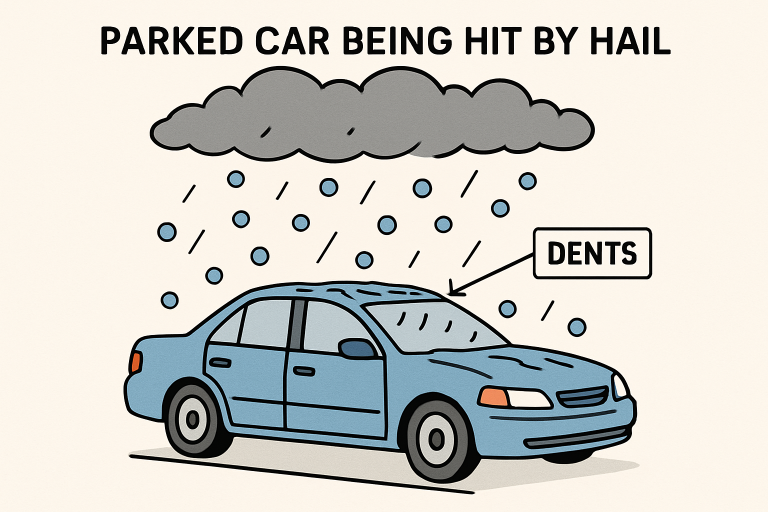
Hail thrives during strong thunderstorms, and the damage it causes to vehicles depends on several variables. Hailstones can be as small as peas or as large as baseballs, and even small stones, propelled by high winds, can dent metal panels, crack mirrors, and shatter windshields. Vehicles left unsheltered suffer the most—repairs may range from minor paintless dent removal to full windshield or panel replacements.
Recognizing the most common types of hail damage—such as roof and hood dents, glass cracks, and paint chipping—helps you react swiftly after a storm. Understanding these risks is key to protecting your investment and maintaining your vehicle’s value.
Preventive Measures
With preparation, you can dramatically reduce your vehicle’s risk of hail damage. Start with the basics: park inside a secure garage or under a carport whenever possible. At work or away from home, seek out covered parking lots or structures. These simple habits are among the most effective defenses against unpredictable storms.
If covered parking isn’t available, consider investing in a padded hail protection car cover. These covers are specifically engineered to shield vehicles from blunt force impacts and are a practical upgrade for those who routinely park outdoors. Another wise addition is installing hail guards on windows and skylights, which provide further protection for vulnerable areas.
Emergency Protection During Hailstorms
Sometimes, storms hit without warning, and covered parking isn’t an option. When caught off-guard, you can still minimize damage with a few quick actions. Keep thick blankets or moving pads in your trunk—these can be draped and secured over your car to absorb hail impact. Ensure they are securely tied down; wind gusts can easily dislodge loosely placed coverings.
In a pinch, your vehicle’s own floor mats can be used to cover critical areas, such as the windshield or hood. While this solution isn’t perfect, it adds a valuable barrier that can prevent cracks or dents. If safe, park next to large buildings or under sturdy trees to shield your car from the hail’s full force. However, be mindful of other hazards such as falling branches or debris.
Post-Storm Assessment and Repair Options
Once the storm passes, it’s crucial to inspect your vehicle for any damage promptly. Walk around the vehicle, checking for new dents, chipped paint, or cracked glass, and take detailed photos of all visible damage. These images are not only helpful for repair technicians but are essential if you need to file an insurance claim.
Repairing Hail Damage
- Paintless Dent Repair (PDR): This technique is ideal for minor dents and is less invasive, preserving your car’s original paint finish. PDR is often faster and more affordable than conventional bodywork.
- Auto Body Shop Repairs: If the damage is significant—like shattered glass or deep dents—take your car to an experienced auto body shop. Trusted professionals can assess structural damage and ensure high-quality repairs.
Insurance Coverage for Hail Damage
Before filing a claim, review your auto insurance policy. Hail damage is covered under comprehensive insurance, which protects vehicles from non-collision events such as theft, vandalism, and weather-related incidents. Know your deductible, and promptly report damage to your insurer to expedite the claim process. Keep documentation organized, including repair estimates and photos, to support your claim.
- Comprehensive coverage: Ensure you have this protection in place before a storm hits. If you live in a region prone to hail, this coverage is essential.
- Claims process: File promptly and follow your insurance provider’s steps. Some companies even offer mobile estimators who can assess your car at home or work.
Staying Informed About Weather Conditions
The best defense is to stay ahead of the weather. Many communities also offer free SMS or email alerts—subscribe to these services to receive the latest updates when storms are approaching, so you have ample time to move your vehicle to safety.
Final Thoughts
Minimizing hail damage to your vehicle requires a combination of preparation, prompt action during storms, and thorough recovery strategies. From proactive parking and specialized car covers to partnering with expert repair professionals, these steps equip you to protect your investment and avoid the frustration of avoidable repairs. Always keep your insurance coverage up to date and stay informed with reliable weather forecasts. With these practices, you’ll be well-positioned to weather any storm while keeping your vehicle in top condition.