
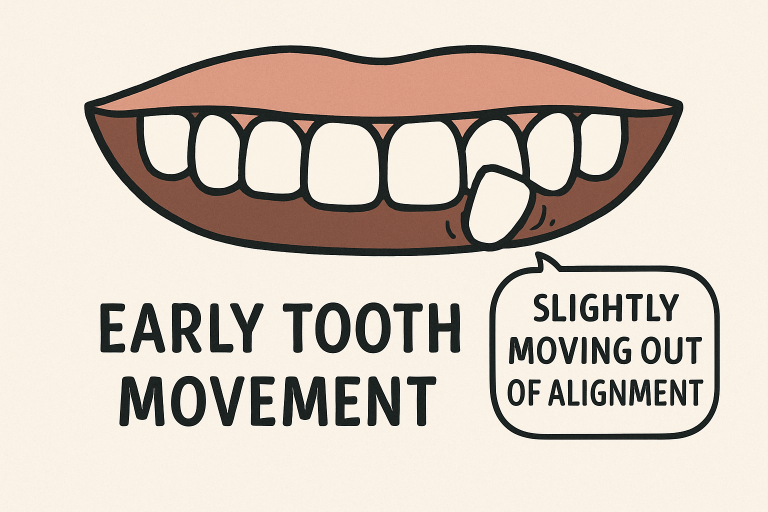
Maintaining a healthy and attractive smile relies on more than daily brushing and flossing. It’s critical to be vigilant for subtle changes in your teeth’s position, which can be early signs of dental trouble. For example, early signs of loose teeth may indicate underlying issues that require prompt attention. Detecting and addressing these indicators early can make all the difference in preserving your oral health.
Changes in teeth alignment can happen for various reasons. Ignoring minor shifts or gaps might lead to larger problems over time, ultimately compromising the stability of your teeth. People who value their dental health should be aware of these warning signals and take preventive action when necessary.
Tooth movement can start subtly but result in significant long-term impacts if left unchecked. With proper vigilance and timely intervention, you can avoid the frustration of extensive dental treatment down the line. Recognizing and addressing movement early enhances the odds of keeping your natural teeth healthy for life.
This guide explores the most common causes of tooth movement, signs you should never ignore, and practical tips to keep your teeth firmly in place.
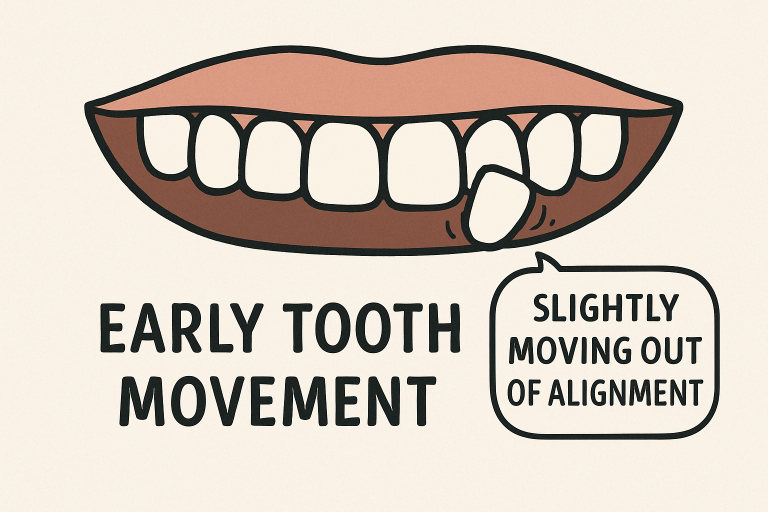
Table of Contents
Understanding Tooth Movement
Teeth are not completely stationary. Each tooth is anchored in your jawbone and supported by a network of periodontal ligaments, which allow for minor natural movement. However, when these movements become more noticeable, such as shifts in alignment or the formation of new gaps, this can indicate changes in the bone or gum tissue that must be addressed. Early recognition of unusual movement lets you respond quickly and avoid the escalation of dental complications.
Common Causes of Tooth Movement
Tooth movement can happen for many reasons, and identifying the underlying cause is crucial for effective treatment. Here are some of the most common factors:
- Gum Disease: One of the leading contributors to tooth movement is periodontitis, a severe infection that damages the gums and supporting bone. Untreated gum disease can cause teeth to loosen or shift as the bone recedes.
- Bruxism: Grinding or clenching your teeth, often while sleeping, can place excessive pressure on your teeth and their supporting structures. Over time, this ongoing force can lead to shifting or even tooth loss.
- Aging: The natural aging process brings changes in bone density and gum tissue. As you age, your teeth and the bone that supports them may become more susceptible to unwanted movement.
Early Warning Signs
Paying attention to early indicators of tooth movement can help you seek intervention before more significant issues arise. Some warning signs include:
- Increased Gaps: The sudden appearance of new spaces or widening gaps between teeth could suggest shifting.
- Changes in Bite: Difficulty chewing, discomfort while eating, or a noticeable change in how your teeth fit together often point to dental movement.
- Gum Recession: If you spot receding gums or tooth roots that seem more exposed than before, this may signal that your teeth are becoming less stable.
Preventive Measures
The best way to avoid complications from tooth movement is to implement daily and long-term preventive strategies. Here are some practical measures you can take:
- Maintain Oral Hygiene: Consistent brushing and flossing are your first defense against gum disease and plaque buildup.
- Use Mouthguards: If you suspect you grind your teeth at night or during stressful situations, ask your dentist about a mouthguard to protect your teeth.
- Regular Dental Visits: Schedule check-ups and cleanings at least twice a year.
When to Consult a Dentist
If you notice any unusual changes with your teeth, such as increased mobility, a changing bite, or receding gums, seek advice from your dental professional promptly. Early intervention can often resolve minor issues and prevent the need for more invasive treatment later. Dentists can recommend solutions such as deep cleaning, orthodontics, or mouthguards tailored to your unique situation.
Conclusion
Being vigilant about your dental health includes watching for early signs of tooth movement. By familiarizing yourself with common causes, learning to recognize early warning signs, and practicing preventive measures, you can preserve your natural teeth and maintain a confident, healthy smile for years to come. Staying informed and prioritizing regular dental care is the key to long-term oral health.