
There’s nothing quite like ripping around the trails on your dirt bike or ATV for a day. The thrill is the heady mixture of the excitement of doing something out of the ordinary, paired with the extreme concentration it takes to stay planted to the ground while speeding through the various landscapes you’ve chosen.
But if we’re honest with ourselves, these days tend to come few and far between due to the various commitments that accompany adulthood. But when they do come around, you want to be completely sure that you can whip the ride out and get going with a minimal pre-flight checklist rather than hopping on and discovering that something like the dashboard has become waterlogged and misty from leaving it outside in the elements, or that the battery is dead and the damn thing won’t start. This is why we’ve created this post to give you a few valuable pointers on what sorts of things you ought to be doing to keep your ATV in fine fettle and ready to hit the trails at a moment’s notice.
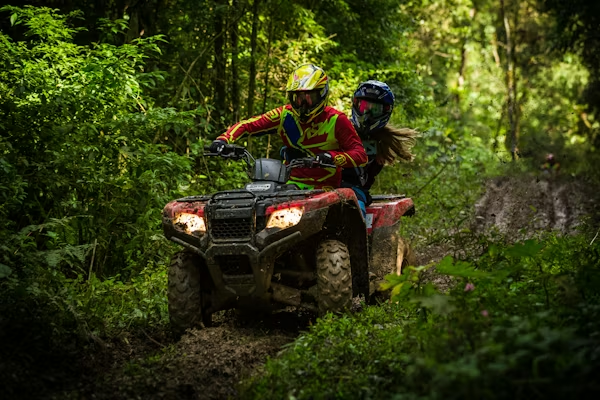
Table of Contents
Clean It Like You Mean It
Way too many people fall into the bad habit of arriving back at home after a rip about, dumping the machine, and heading indoors for the day. This is a terrible habit and one that you really need to break if you’re serious about keeping these, not inexpensive, machines in fine operational fit. Cleaning is particularly important before you opt for any kind of Winter ATV storage, and if you plan on storing it for the entirety of the winter months, it becomes critical to clean it well and perform the checks that we’ll cover a bit later. Regarding cleaning, you can take it to a car wash, but it’s generally recommended to get into the habit yourself for several reasons:
- Only you will clean it to your personal standards
- You will get a chance to inspect it for any damage while cleaning it
- It’s a far more therapeutic process than you might believe!
For an incredible deep clean, it’s advisable to invest in a small pressure washer, which you will use to blast away the dirt and grime that can build up over time you use it. Just make sure to avoid blasting the sensitive areas with the high-pressure water since it can reduce the lifespan of the chain and other delicate areas that house electronics, etc. If you have the time and predilection, you can also take off the fairing to reach the areas often neglected. You don’t have to do that all the time, but it’s a good idea, particularly if you’re going to be storing it for a long time.
Mechanical Maintenance Between Rides
After each ride, you need to perform a few basic mechanical checks. Not knowing isn’t really an excuse these days, since you can usually find whatever you need online and on platforms like YouTube. Fortunately, most of the usual checks are pretty straightforward and only require the use of a few basic instruments that are useful to have regardless of ATV ownership or not.
Battery Care
If you’re going to store your vehicle for more than a week, you should disconnect the battery. This ensures that the terminals don’t corrode or leak power over time. For safe disconnection, you must remove the negative line first, then disconnect the positive side. If you know that you’re going to use it again soon, take out your multimeter, set it to the 20V setting, and place the probes on the appropriate terminals. You are looking to make sure it is both charged and, once the engine is on, begins charging. If it remains significantly under 13V even with the engine running, a deeper inspection might be needed.
Fluids And Filters
It’s always wise to check fluid levels after a ride and before you head out again. If you don’t have enough oil in the engine, you’re in for a really, really bad and expensive time. You should also check the coolant levels and top up if necessary. You can also change the air and oil filters according to the manufacturer’s recommendations. Don’t skimp on this part and think that you can get away with another few thousand miles. It will only cost you more in the long run.
Tire And Suspension Checks
A cursory glance will tell you all you need to know here, and if you see anything untoward, you can always dig a bit deeper. You’re really just ensuring that it is roadworthy and there are no issues with the suspension that could ruin your ride the next time you take it out.
Key Maintenance Intervals
Your mileage may vary, but this table gives you a basic idea of the intervals at which you need to replace the various consumables.
| Component | Recommended interval | Why it matters |
| Engine oil/ filter | 25–100 hours (the harder you ride, the more you’ll need to change). | Prevents engine wear and impurities from entering the engine. |
| Air filter | Inspect every ride and replace as required. | The engine needs clear air to breathe, and if it’s unable to do so due to a clogged filter, it will suffer. |
| Brake pads | Condition-based (a quick check will tell you if they are fully worn or still have life). | You need your ATV to stop when you pull the brakes, and pads without enough meat will struggle. |
| Coolant | 2–5 years | Helps maintain engine temperature. |

Storage Techniques To Keep Your ATV Safe
If you need to store your ATV for any length of time, there are a few best practices that you must adhere to if you want to ensure it remains in great condition.
- Use a breathable, high-quality cover
- Store in a dry, indoor location whenever possible (cheap covers can create condensation that will drip onto critical parts)
- Elevate tires off the cold ground
- Stabilize and protect the fuel system
- Lubricate key components
Use rodent deterrents - Secure against theft
Keeping your ATV in prime condition isn’t just a good idea because you spent a lot of money on it and want to keep it performing perfectly, but also so that you know that when you turn the key, it will start up and go without hassle. The tips in this post should give you a start, but you should refer to your manufacturer’s guides for their advice on upkeep and the various intervals.