

Table of Contents
What Root Canals Actually Involve
The words “root canal” might bring anxiety to mind, but modern dentistry has changed the way this routine treatment is performed. At its core, a root canal is a method for saving a damaged or infected tooth by removing the compromised pulp, cleaning the space, and filling it to prevent reinfection. Contrary to old stereotypes, advancements in technique and anesthetics mean patients are typically comfortable during the procedure, likening it in many respects to the experience of getting a standard dental filling. For those looking for detailed insights into root canal treatment facts, recent research consistently shows that these treatments are both safe and highly effective.
Today’s root canals are performed with specialized instruments under local anesthesia and advanced imaging, making them more precise, less invasive, and generally pain-free. The idea that root canals are an unpleasant ordeal is mostly rooted in outdated information and public misconceptions. Dispelling these myths can ease concerns for those facing root canal therapy, helping them approach treatment with confidence.
Common Root Canal Myths
- “Root canals are extremely painful.”
- “They always cause illness later.”
- “Tooth extraction is better than a root canal.”
Persistent misconceptions about root canal therapy contribute to widespread, needless fear. Patient surveys and clinical evidence contradict the notion that root canals cause severe pain. Instead, the procedure is designed to eliminate the pain caused by infection or inflammation inside the tooth. Additionally, tooth extraction is not always a better or safer option; keeping your natural tooth reduces the risk of misalignment and bone loss that can follow an extraction. For those seeking a trusted provider who utilizes the latest root canal methods and technology, Advanced Smiles Marion offers comprehensive dental care and patient-focused treatment plans. With proper care, a treated tooth can last a lifetime, restoring both function and comfort. Modern anesthetics and techniques make the procedure quick and virtually painless. Scheduling a consultation early can prevent more serious dental issues down the line.
How Modern Technology Has Changed Everything
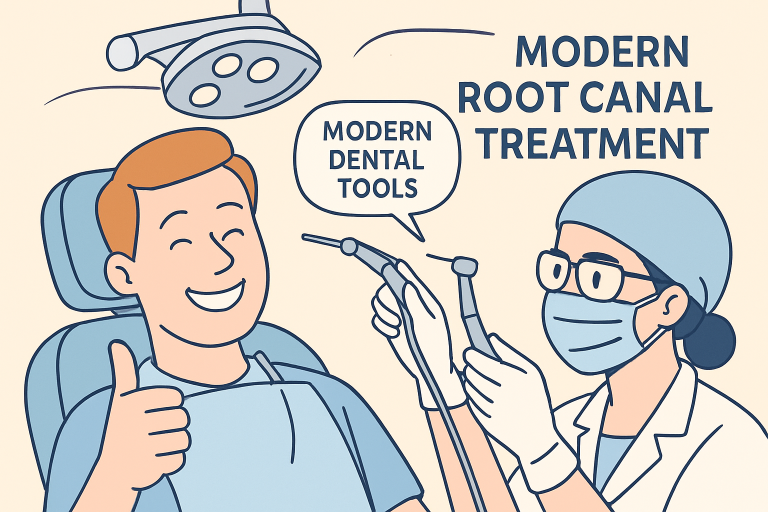
Revolutionary advances in dental care have dramatically improved root canal outcomes. Digital X-rays and 3D imaging provide dentists with a precise view of root structures before treatment begins, thereby increasing diagnostic accuracy. During the procedure, dentists use rotary endodontic tools—tiny, flexible, motorized files that clean out infection with unprecedented gentleness and speed. High-powered dental microscopes enable the visualization of intricate anatomical details, ensuring that even hard-to-reach canals are thoroughly cleaned and sealed. These developments make root canals less invasive, reduce recovery time, and increase long-term success rates.
Pain And Root Canals: Separating Fact From Fiction
Fear of pain remains the number one reason patients dread root canals. However, according to the American Dental Association, most people find the procedure itself causes no more discomfort than a typical dental filling—thanks to the effectiveness of today’s anesthetic options and refined procedural techniques. Any mild sensitivity the day after is usually managed easily with over-the-counter medication. Prolonged or severe pain is rare and should prompt a follow-up with your dentist to rule out complications such as residual infection or inflammation.
What to Expect During and After a Root Canal
During a root canal, patients typically feel only slight pressure as the dentist works. Afterward, it’s common to have mild tenderness or swelling, which subsides in a day or two.
What Patients Can Do To Prepare
- Discuss the process and ask questions so you fully understand the procedure.
- Share your medical history and any medications you are currently taking with your dentist.
- Follow the provided instructions, including dietary guidelines, before your visit.
- Arrange for transportation home if your dentist uses sedation or if you feel anxious after the visit.
Preparation helps lessen anxiety and ensures you’re physically ready for a smooth experience.
Aftercare Tips For Root Canal Recovery
- Take prescribed medication to ease soreness or prevent infection as instructed.
- Refrain from chewing hard or sticky foods with the treated tooth until your dentist places the permanent restoration.
- Brush and floss as usual, being gentle around the affected area.
- Contact your dentist immediately if you develop swelling, severe pain, or signs of infection.
Most people resume normal activities within a day. Proper aftercare is vital for rapid and complication-free healing.
Why Modern Root Canals Are Safe, Effective, and Comfortable
Modern root canal treatment is a safe, effective, and essentially pain-free method for saving a damaged or infected tooth. Advances in technology, from digital imaging to precision instruments, have transformed the procedure, making it far less invasive than many expect. By dispelling myths and following proper preparation and aftercare, patients can confidently undergo treatment, preserve their natural teeth, and enjoy long-lasting oral health benefits.