
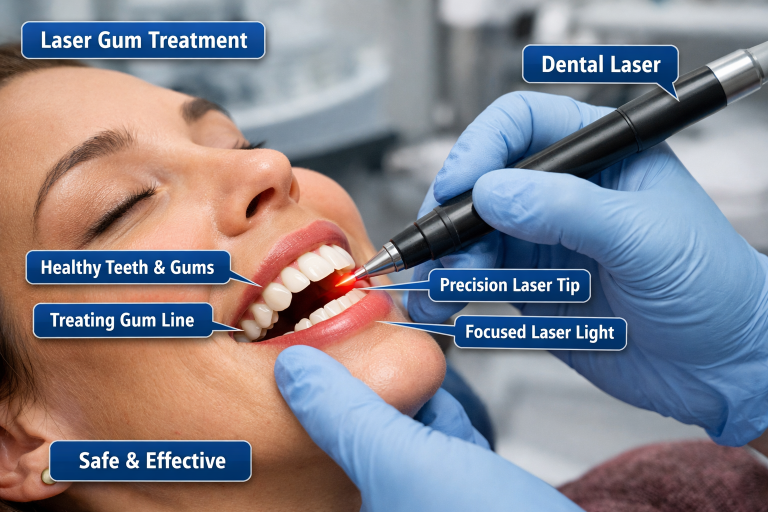
Thousands of people suffer from gum disease, also known as periodontitis, which can progress silently and eventually threaten both your oral and overall health. When left untreated, it may result in tooth loss and has been linked to chronic health conditions. With dental care advancing rapidly, patients now have the option of Laser-Assisted New Attachment Procedure, or LANAP, a modern approach that provides an effective and gentle alternative to traditional gum surgery. This innovative method addresses gum disease with precision, comfort, and reduced recovery time, making it an appealing choice for today’s dental patient.
LANAP utilizes laser technology to target only the diseased tissue and bacteria, leaving healthy tissue untouched. This targeted approach allows for a much less invasive experience than traditional surgical procedures and supports faster healing. Early diagnosis and the use of advanced treatments such as LANAP have become key in preventing complications and improving outcomes for people struggling with gum disease.
Individuals who have struggled with gum disease often feel anxious about seeking treatment due to fear of painful procedures or long recovery times. LANAP addresses those concerns directly, offering a minimally invasive, safe, and patient-friendly solution. By focusing on both health and comfort, LANAP is rapidly gaining recognition as the preferred alternative for treating moderate to severe gum problems.
Understanding the basics of gum disease and the latest treatment advances can empower patients to make informed decisions. If you want to explore all of your treatment options, discussing LANAP with your dental professional could be the first step toward restoring your oral health and confidence.
Table of Contents
Understanding Gum Disease
Gum disease is a progressive inflammatory condition that compromises the health of the gums and bone supporting your teeth. It develops when plaque, a sticky film of bacteria, accumulates and hardens, leading to infection and damage under the gumline. If the immune system cannot neutralize this persistent infection, tissues are gradually destroyed, causing gum recession, bone loss, and eventually tooth mobility or loss. In addition to tooth loss, gum disease has been associated with systemic illnesses such as heart disease and diabetes, highlighting the close relationship between oral and overall health. Recognizing the signs, such as bleeding, swelling, or persistent bad breath, and seeking treatment early are critical in halting its progression.
Introduction to LANAP Therapy
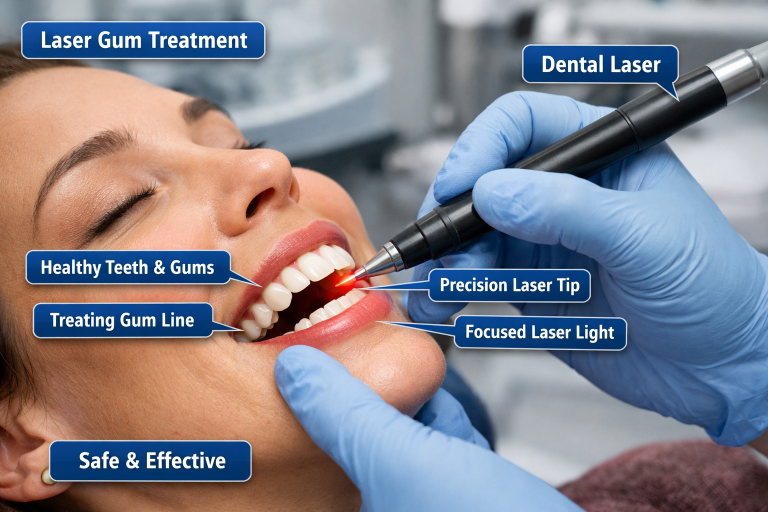
LANAP, or Laser-Assisted New Attachment Procedure, is an FDA-cleared technology-driven therapy specifically developed to treat periodontal disease. Unlike surgical techniques involving scalpels and sutures, LANAP uses a specialized dental laser (PerioLase MVP-7) to gently remove infected tissue and bacteria from the gums. Healthy tissue remains intact, allowing for less trauma during the procedure and creating the optimal environment for natural healing and tissue regeneration. As a result, the LANAP approach has become a preferred choice, especially for patients who might not be suitable candidates for more invasive surgeries.
How LANAP Works
The LANAP process follows several evidence-based steps:
- Measurement: Your dentist carefully measures the depth of the gum pockets to gauge the extent of periodontal damage.
- Laser Application: A fine laser fiber is inserted along the gumline, targeting and eliminating diseased tissue, bacteria, and toxins while preserving the surrounding healthy structure.
- Clot Stimulation: The laser energy initiates clot formation in the treated pockets, which naturally seals the area and helps protect the site during early healing.
- Gum Reattachment: The now clean and sealed area allows the gum tissue to reattach to the tooth surfaces without needing stitches, facilitating regeneration of the bone and connective tissue.
This process is minimally invasive, precise, and typically results in faster and more comfortable healing than conventional methods. For an in-depth look at lasers in dental treatment, the Mayo Clinic laser resurfacing resource covers current advancements and offers practical patient information.
Benefits of LANAP Over Traditional Surgery
LANAP stands out for its patient-centric approach and numerous advantages. The benefits include:
- Minimally Invasive: Unlike surgical interventions that require cutting and stitching, LANAP spares healthy tissue and eliminates the need for sutures. Patients often experience dramatically less discomfort and a smoother post-treatment course.
- Preservation of Healthy Tissue: The laser is highly selective, targeting only diseased tissue while preserving the maximum amount of healthy gum and bone structure, which is important for long-term oral health and aesthetics.
- Lower Risk of Infection: As the laser sterilizes the treatment area, the risk of post-procedure infection diminishes, and healing is generally quicker than with traditional surgery.
- Promoted Bone Regeneration: LANAP is supported by research showing that it can stimulate bone regrowth in areas affected by periodontal disease, presenting a significant benefit for those at risk of tooth loss due to bone deterioration.
Who Is a Candidate for LANAP?
While LANAP’s minimally invasive nature makes it suitable for most individuals with moderate to severe gum disease, it is especially helpful for:
- People with dental anxiety who are seeking treatment alternatives with less pain and downtime.
- Patients with medical conditions who may face increased risks with traditional surgery, such as individuals with bleeding disorders or compromised immune systems.
- Those motivated to keep their natural teeth and avoid the need for extractions and prosthetics.
Eligibility is assessed by your dental provider based on the specifics of your oral and general health, as well as the current stage of your gum disease.
Recovery and Aftercare
One of the key attractions of LANAP is its speedy recovery. Most patients can get back to their regular activities within a day. To support optimal healing, your dentist will recommend:
- Eating a soft diet for the initial few days after the procedure.
- Following specific oral hygiene instructions, like avoiding brushing or flossing treated sites temporarily.
- Attending follow-up appointments to track progress and address any concerns that might arise.
These guidelines help protect healing tissues and ensure a successful outcome.
Common Questions About LANAP
Does LANAP treatment hurt?
Most patients describe the procedure and recovery as comfortable. The minimally invasive nature of LANAP, combined with local anesthesia and sedation if needed, helps to manage any discomfort effectively.
How long does the procedure take?
The duration depends on the severity and extent of the disease, but LANAP typically requires one or two office visits.
Is LANAP covered by insurance?
Coverage will vary as dental insurance plans differ. It is important to check with your provider regarding benefits and reimbursement for LANAP treatment.
Conclusion
LANAP laser therapy marks a significant leap in periodontal care, blending cutting-edge technology with patient comfort and exceptional effectiveness. It represents a minimally invasive yet comprehensive way to treat gum disease, foster healing, and preserve natural teeth. For people seeking to improve their oral and overall health, LANAP is a modern solution worth considering at your next dental appointment.