
Understanding why your hair is thinning can feel overwhelming, especially when symptoms overlap, and the shedding seems to come out of nowhere. For many women, early clarity is the key to stopping additional loss and choosing the right path toward fuller, healthier hair. Whether you’re exploring medical evaluations or supportive cosmetic options like women’s hair restoration solutions in Toronto, decoding the difference between Female Pattern Hair Loss (FPHL) and Telogen Effluvium (TE) is a major first step. Although both conditions can cause distress, they are different in origin, progression, and long-term outlook. The more you understand their unique patterns, the easier it becomes to select a restoration approach that matches your needs.
Table of Contents
What Female Pattern Hair Loss Usually Looks Like
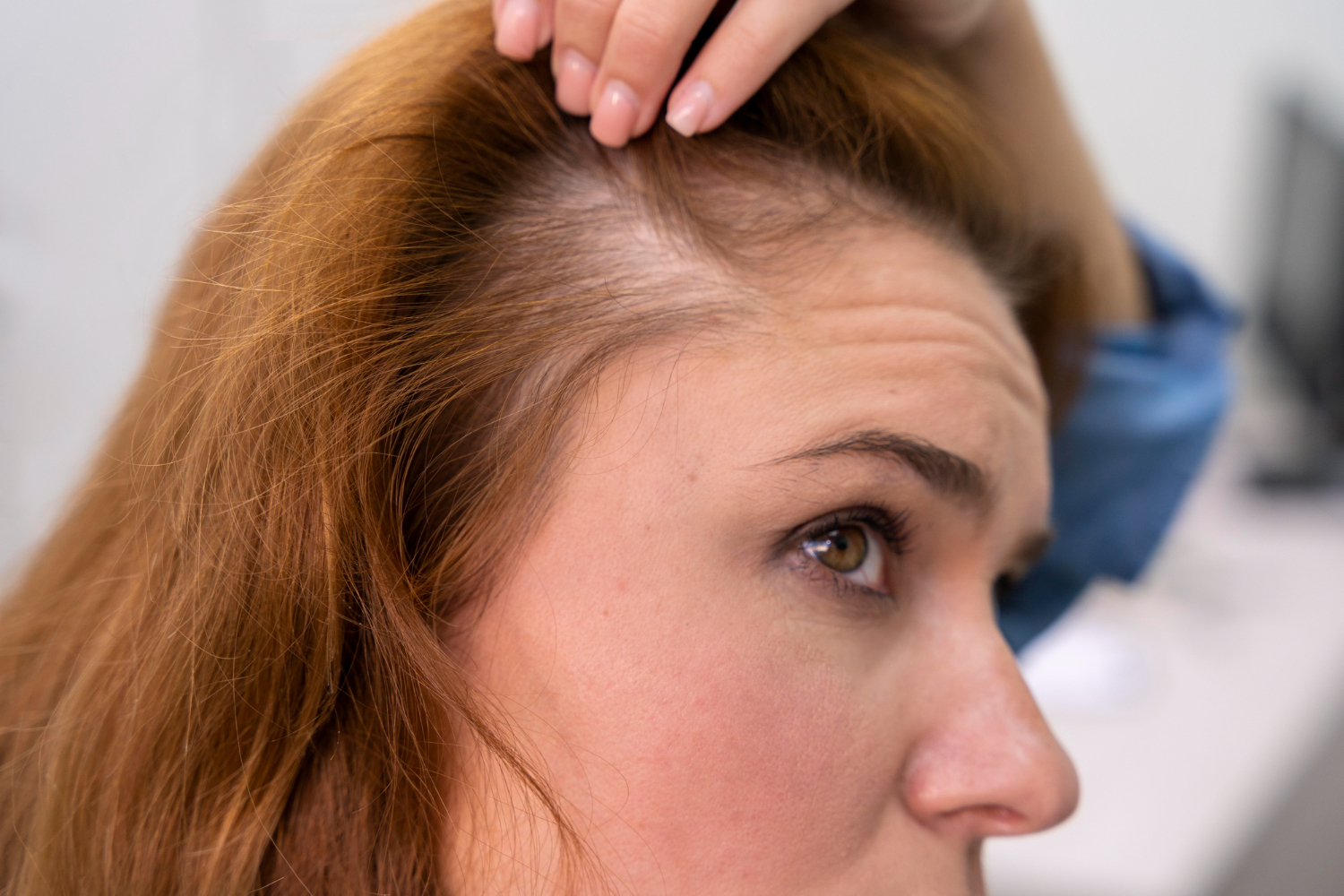
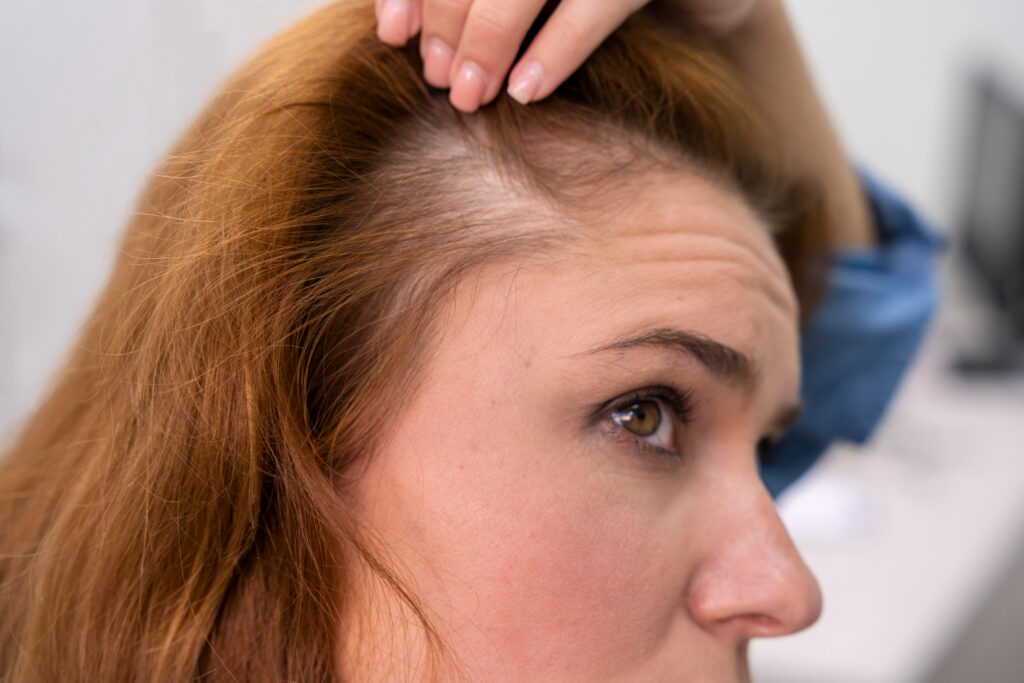
Female Pattern Hair Loss, also known as androgenetic alopecia, is typically a gradual, long-term thinning that often follows a predictable pattern. Instead of complete bald patches, women usually notice a widening part, reduced volume at the crown, and an overall decrease in hair density.
FPHL is usually influenced by genetics and sensitivity to certain hormones. Because the hair follicles shrink over time, the strands grow thinner and shorter with each cycle. This continuity of reduced growth is one of the key clues that differentiates FPHL from temporary shedding conditions.
Although FPHL is considered a chronic condition, early intervention can significantly slow progression. Dermatologists often recommend topical treatments, low-level light therapy, and restoration systems to improve density and appearance.
How Telogen Effluvium Differs
Telogen Effluvium presents very differently, even though the volume of shedding can be alarming. Instead of slow thinning, TE causes sudden, noticeable hair fall, often recognized as large clumps coming out in the shower, on your pillow, or when brushing.
TE is triggered when a physical or emotional stressor “shocks” the follicles into the resting (telogen) phase prematurely. Triggers can include illness, childbirth, crash dieting, major stress, surgery, hormonal changes, or certain medications.
Unlike FPHL, TE is usually temporary. Once the trigger is resolved, normal growth typically resumes within several months, though full recovery can take longer.
Key Differences to Help You Decode Your Shedding
- Timing
• FPHL: Slow, progressive thinning over the years.
• TE: Sudden shedding, often noticed 2–3 months after a major trigger. - 2. Pattern
• FPHL: Widening part, reduced crown density, overall gradual thinning.
• TE: Diffuse shedding across the entire scalp, without a clear pattern. - Volume of Shed Hair
• FPHL: Mild to moderate daily shedding.
• TE: Heavy, dramatic shedding that can last weeks or months. - Long-Term Outlook
• FPHL: Chronic but manageable.
• TE: Usually resolves once the underlying cause is addressed.
Choosing the Right Restoration Plan
Choosing the right approach starts with knowing exactly what’s causing the shedding. With FPHL, many women use a mix of medical advice and cosmetic solutions that add volume without disrupting their treatment plan. Tools like hair toppers Toronto can help disguise thinning along the part or crown and provide an instant confidence boost.
For Telogen Effluvium, the priority is finding the trigger and giving the scalp time and support to recover. Good nutrition, stress control, and treatments recommended by a doctor can help the hair cycle return to normal.
It’s also possible to address both issues simultaneously, mainly if a bout of TE occurs on top of existing FPHL. When that happens, combining medical care with cosmetic options often gives both immediate coverage and long-term improvement.
Final Thoughts
Whether you’re dealing with gradual thinning or sudden shedding, understanding the difference between FPHL and TE helps you make informed decisions about treatment and restoration. Combined with professional evaluation and supportive options like women’s hair restoration solutions in Toronto, a personalized plan can help you regain confidence while supporting healthier hair growth over time.