
Table of Contents
Introduction
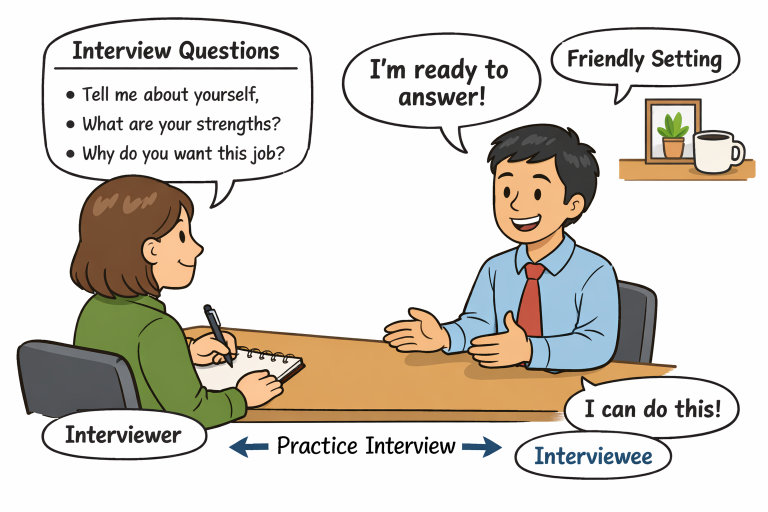
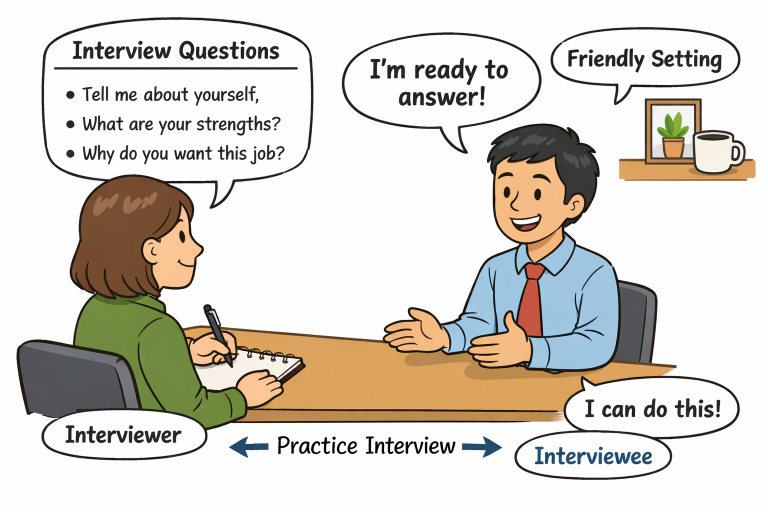
Navigating a job search can be stressful, especially when you reach the critical stage of interviews. Many job seekers experience nervousness and uncertainty as they try to make a winning impression. This is why interview mock sessions have become popular as an effective preparation tactic. Mock interviews closely simulate real interview scenarios, allowing you to experience what actual interviews will feel like and make adjustments before it counts.
By replicating the conditions of a genuine interview and practicing your responses, you can build comfort and confidence that help you stand out. Mock interviews are not just about rehearsing answers; they also train you to communicate clearly, manage your body language, and think on your feet. Feedback from these practice sessions is invaluable, helping candidates identify weak points and develop strategies for difficult questions.
The importance of mock interviews is well-acknowledged by career experts and hiring managers alike. Insights gained during these sessions highlight areas for improvement that may otherwise go unnoticed. With the increasing role of technology in job preparation, advanced mock interviews now utilize artificial intelligence and video analysis to deliver even more precise feedback.
Whether you are entering the job market for the first time or seeking a higher-level position, incorporating mock interviews into your preparation can dramatically enhance your readiness for the real thing.
Benefits of Mock Interviews
Practicing through mock interviews offers job seekers several distinct advantages that directly translate into improved performance during real interviews. One of the biggest benefits is the boost in self-confidence. Practice helps reduce common anxieties, making you feel more self-assured and at ease under pressure. Consistent exposure to typical interview questions also helps eliminate surprises on the big day.
Mock interviews enhance your communication skills by providing a safe environment for you to practice articulating your thoughts. You learn to answer both common and complex questions concisely, without rambling or relying on filler words. Feedback from your mock interviewer highlights specific areas for improvement in your verbal delivery and non-verbal communication, such as eye contact and posture.
Another major advantage is the opportunity to practice responding to behavioral questions using frameworks like STAR (Situation, Task, Action, Result). As noted in a Cook’d AI article, candidates who prepare with structured answers demonstrate clarity and professionalism. This can make a memorable impression on interviewers.
Feedback from mock interviews also serves as a reality check. Receiving constructive criticism from an industry professional or coach helps you refine your approach, improve your pitch, and avoid common pitfalls. By the time you face real interview panels, you are better equipped to showcase your skills and experience effectively.
How to Conduct a Mock Interview
Conducting an effective mock interview requires thoughtful preparation. Start by setting up a realistic interview environment. If you expect your real interview to be virtual, choose a quiet space with good lighting and a neutral background. Dress as you would for the actual meeting to get comfortable presenting yourself appropriately.
Select someone familiar with the hiring process or your target industry to act as the interviewer, career coaches, mentors, or experienced peers are ideal. Provide them with your resume and the job description beforehand so they can ask targeted questions. A good mock interviewer will go beyond scripted questions, challenging you to think critically and adapt on the spot.
Prepare a list of common interview questions, but also include behavioral and technical questions specific to the role you are seeking. Pay attention to your answers for completeness, clarity, and relevance. Many candidates find it beneficial to record the session, as this allows for later review of both verbal content and body language.
After the mock interview, request detailed feedback. Ask for specifics about your strengths and areas for improvement. This feedback loop is what transforms practice into meaningful growth, helping you move from good responses to outstanding ones.
Common Mock Interview Questions
Familiarity with frequently asked interview questions can help you respond smoothly and confidently during actual interviews. Some of the most common questions include:
- Can you tell me about yourself?
- What are your greatest strengths and weaknesses?
- Describe a challenging situation you faced at work and how you handled it.
- Why do you want to work for this company?
- Where do you see yourself in five years?
Practicing your answers to these types of questions allows you to organize your thoughts and ensure your responses are genuine and relevant. For tips on answering these and other tough questions, career sites like Cook’d AI offer useful guidance and sample answers.
Utilizing AI in Mock Interviews
New technology has transformed how mock interviews are conducted. AI-powered platforms analyze your interview performance in real time, assessing not only what you say but how you say it. These tools can evaluate vocal tone, pacing, facial expressions, and even the frequency of filler words. Receiving this kind of immediate, data-driven feedback makes it easier to correct bad habits and improve future performance.
Many job seekers now use these platforms to practice and refine their interview techniques in a private, low-pressure environment. According to a Forbes article, AI-driven mock interviews are changing the landscape of job preparation. Candidates benefit from actionable insights that help them prepare for everything from initial phone screens to final panel interviews.
Real-Life Success Stories
Hearing from candidates who succeeded through mock interviews can be highly motivating. For example, one digital editor in Philadelphia landed interviews and job offers by consistently practicing with mock interviews, tailoring her approach to each position, and ensuring her application stood out. She emphasized the importance of targeting the specific challenges described in job postings, a strategy credited in a Forbes feature.
These stories show that focusing on preparation through realistic, feedback-oriented practice gives job seekers a clear edge. Whether your dream job is in tech, finance, or media, mock interviewing can make all the difference.
Conclusion
Mock interviews represent a powerful tool in any job seeker’s arsenal. They provide safe, constructive spaces to practice and refine your interview skills, making it easier to present your qualifications confidently and respond under pressure. With technology and thoughtful feedback, job seekers can boost their chances of landing their ideal roles. Make mock interviews a consistent part of your preparation strategy, and you will find yourself ready to impress when it matters most.