
Pest control is an essential part of keeping homes and businesses safe, clean, and comfortable. Whether it’s ants on your kitchen counter, rodents scurrying in your attic, or spiders making themselves at home in your basement, pests are more than just a nuisance; they can damage property and even pose health risks. But if you’re considering professional pest control services, one of the most common questions homeowners ask is: How long does pest control last after one service?
The short answer is that the effectiveness of a single pest control Ashburn service varies depending on the type of pest, the treatment used, and environmental factors. To give you a clearer picture, let’s break this down in detail.
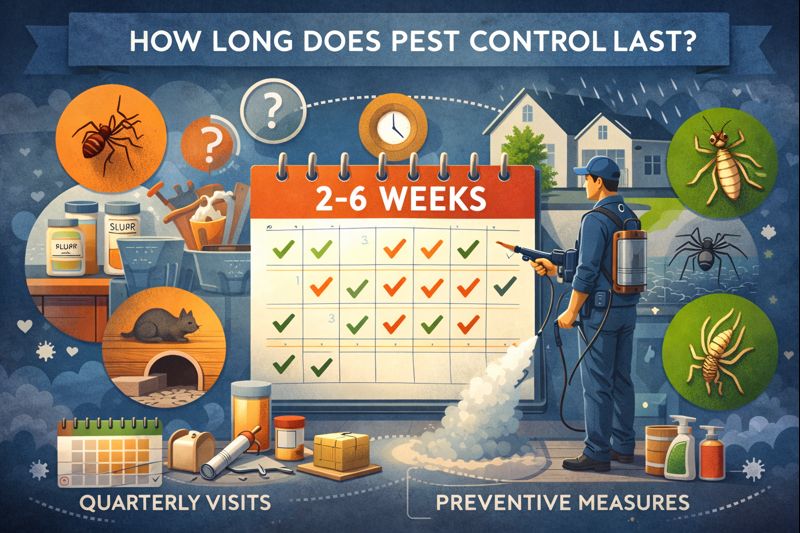
Table of Contents
1. Type of Pest
Different pests respond differently to treatments, and their biology influences how long the effects last.
- Ants and Cockroaches: These insects are highly social and live in colonies. Even if you kill the ones you see, the colony may still survive. A single treatment may eliminate visible pests for a few weeks, but without ongoing prevention, new ants or cockroaches can appear.
- Rodents: Mice and rats reproduce quickly and are excellent at finding food and shelter. A single rodent control service may remove the current population, but unless the environment is made less hospitable and entry points are sealed, new rodents can appear within weeks.
- Spiders: Spider infestations are often linked to the presence of other insects. Treating spiders once can reduce their numbers, but if their prey returns, so will the spiders. One service can keep a home relatively spider-free for several weeks to months.
- Termites: Termite treatments are more long-term. Termiticides can last anywhere from 1 to 10 years, depending on the chemical used and whether it’s a liquid barrier or bait system. However, regular inspections are critical to ensure that new colonies haven’t formed.
2. Type of Treatment
The duration of effectiveness also depends on the method of pest control applied.
- Liquid Sprays and Residual Treatments: These are common for general insect control. Residual sprays leave a chemical layer that continues to kill insects for days to weeks after application. Typically, a single spray can protect your home for 2–6 weeks, but this can vary depending on cleaning, rain, or heavy foot traffic in treated areas.
- Baiting Systems: For pests like ants or rodents, bait stations can last longer than sprays because pests bring the bait back to their colonies. Results may take a few days to weeks, and the duration depends on whether the colony is fully eradicated.
- Fumigation: This is often used for termites or severe infestations of bed bugs. Fumigation can eliminate the pests entirely in one treatment, but it doesn’t prevent new infestations, so ongoing monitoring is necessary.
3. Environmental Factors
The environment plays a big role in how long pest control lasts. Outdoor conditions, like rain or humidity, can reduce the effectiveness of treatments. Inside the home, cleaning routines, temperature, and clutter can affect how well pesticides work. For example, vacuuming or wiping treated surfaces can remove residual chemicals, shortening their lifespan.
4. Preventive Measures
One of the reasons a single service might not provide long-lasting protection is the lack of preventive measures. Pests often return because food, water, and shelter are still available.
Homeowners can extend the effectiveness of pest control by:
- Sealing cracks and gaps in doors, windows, and foundations
- Storing food in airtight containers
- Keeping the home clean and dry
- Removing standing water and debris from around the property
These steps not only help maintain a pest-free environment but also reduce the need for frequent treatments.
5. Professional Recommendations
Pest control professionals often recommend follow-up treatments or regular maintenance plans because pests reproduce quickly, and environmental conditions can change. For example:
- Quarterly Services: Many companies suggest quarterly treatments for common household pests like ants, spiders, and cockroaches.
- Monthly Services: In areas with high pest pressure or for severe infestations, monthly treatments may be necessary.
- Annual Inspections: For termites and other long-term threats, yearly inspections can catch problems before they become severe.
6. Realistic Expectations
It’s important for homeowners to have realistic expectations. A single service can significantly reduce or even eliminate pests, but it rarely guarantees that your home will remain pest-free indefinitely. Most pest control services are most effective when combined with preventive measures and periodic follow-ups.
In short, how long pest control lasts depends on a combination of pest type, treatment method, environmental factors, and ongoing preventive efforts. While a single service can provide immediate relief and short-term protection, often lasting a few weeks to several months, long-term pest management usually requires regular maintenance and vigilance.
Conclusion
A single pest control service is a great start, but it’s not a permanent solution for pest problems. Understanding the type of pests you’re dealing with, the method of treatment, and the environmental conditions can help you gauge how long your home will remain protected. For lasting results, combine professional treatments with preventive measures and consider a regular maintenance plan. By doing so, you can enjoy a pest-free home and peace of mind, knowing that you’ve taken steps to keep unwanted visitors at bay.