
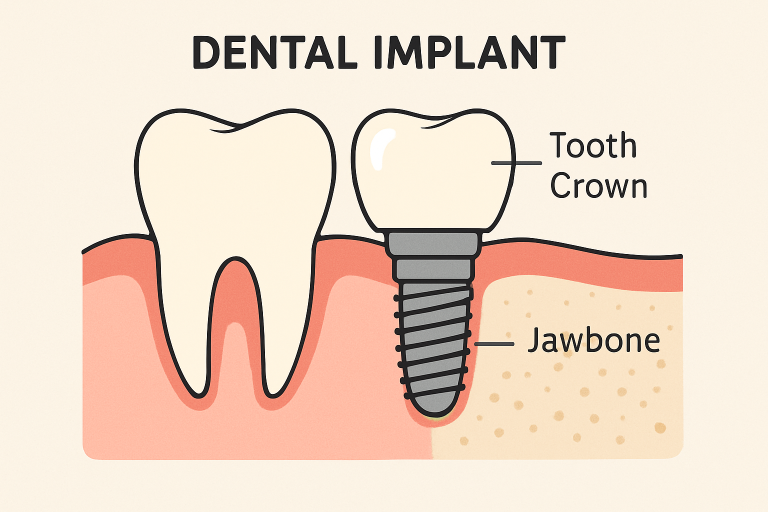
Missing teeth can significantly impact daily life, affecting speech, eating habits, and self-esteem. For residents of the St. Louis area, dental implants offer a durable, natural-looking solution to restore both function and appearance. New You Smile, a leading dental implant center in St. Louis, specializes in advanced surgical solutions and provides comprehensive care under one roof.
Table of Contents
- 1 What Are Dental Implants?
- 2 How Do Dental Implants Prevent Bone Loss?
- 3 What Is the Success Rate of Dental Implants?
- 4 Are Dental Implants Suitable for Everyone?
- 5 How Do Dental Implants Compare to Other Tooth Replacement Options?
- 6 What Is the Process for Getting Dental Implants?
- 7 Frequently Asked Questions
- 8 Conclusion
What Are Dental Implants?
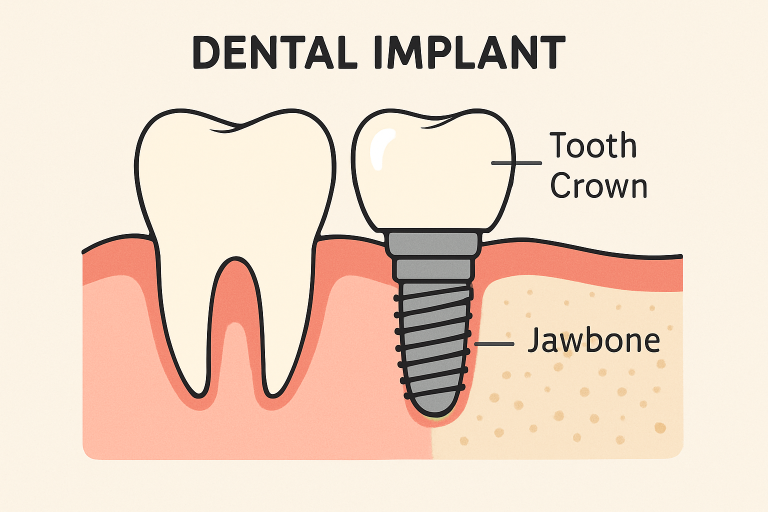
Dental implants are artificial tooth roots, typically made of titanium, surgically placed into the jawbone. Over time, they fuse with the bone through a process called osseointegration, providing a stable foundation for replacement teeth. This integration ensures that the implant functions similarly to a natural tooth root, offering stability and durability.
How Do Dental Implants Prevent Bone Loss?
When a tooth is lost, the jawbone in that area can deteriorate due to a lack of stimulation. Dental implants stimulate bone in a way similar to natural tooth roots, helping maintain bone density and structure. This stimulation is crucial in preventing the bone resorption that often accompanies tooth loss, thereby preserving the facial structure and preventing the sunken appearance associated with missing teeth.
What Is the Success Rate of Dental Implants?
Dental implants boast a high success rate, with studies indicating approximately 98% success over a 10-year period. Factors influencing success include patient health, implant placement, and post-operative care. Maintaining good oral hygiene and regular dental check-ups are essential in ensuring the longevity of the implant.
Are Dental Implants Suitable for Everyone?
While many individuals are candidates for dental implants, certain conditions such as uncontrolled diabetes or heavy smoking can affect healing and implant success. A thorough evaluation by a dental professional is essential to determine suitability. Factors such as adequate bone density and overall oral health are also considered during the assessment process.
How Do Dental Implants Compare to Other Tooth Replacement Options?
Unlike dentures or bridges, dental implants are fixed in place and do not require alteration of adjacent teeth. They offer improved comfort, functionality, and longevity, making them a preferred choice for many patients. Additionally, implants eliminate the discomfort and inconvenience associated with removable dentures, providing a solution that feels and functions like natural teeth.
What Is the Process for Getting Dental Implants?
The implant process typically involves several stages: initial consultation and planning, surgical placement of the implant, a healing period for osseointegration, and finally, placement of the prosthetic tooth. The entire process can span several months but results in a durable and natural-looking restoration. Each stage is crucial to ensure the implant integrates properly with the jawbone and functions effectively.
Frequently Asked Questions
How Long Do Dental Implants Last?
With proper care and maintenance, dental implants can last a lifetime. Regular dental check-ups and good oral hygiene are crucial for their longevity. Avoiding habits such as smoking and excessive alcohol consumption can also contribute to the long-term success of the implant.
Is the Dental Implant Procedure Painful?
Patients are typically under local anesthesia during the procedure, minimizing discomfort. Post-operative pain is usually manageable with prescribed medications and subsides within a few days. Most patients report that the discomfort is less than anticipated and comparable to that of a tooth extraction.
How Much Do Dental Implants Cost?
The cost of dental implants varies based on factors such as the number of implants needed, the complexity of the case, and geographic location. It’s advisable to consult with a dental professional for a personalized estimate. Many dental practices offer financing options to make the procedure more accessible.
Can Dental Implants Fail?
While rare, implant failure can occur due to factors like infection, insufficient bone integration, or excessive stress on the implant. Adhering to post-operative care instructions and maintaining good oral hygiene can minimize these risks. Regular follow-up appointments allow the dentist to monitor the implant and address any issues promptly.
Are Dental Implants Covered by Insurance?
Coverage varies by insurance plan. Some plans may cover a portion of the cost, while others may not. It’s important to check with your insurance provider to understand your coverage. Additionally, some dental practices offer payment plans or financing options to assist with the cost.
For those considering dental implants, consulting with a qualified dental professional is the first step toward restoring a healthy and confident smile. New You Smile in St. Louis offers comprehensive implant services, ensuring patients receive personalized care tailored to their needs.
Conclusion
Dental implants offer a reliable, long-term solution for replacing missing teeth, closely mimicking the function and appearance of natural teeth. With a high success rate of approximately 98% and the ability to preserve jawbone integrity, implants not only restore oral function but also support facial structure and overall oral health. Unlike traditional dentures or bridges, implants provide a permanent, stable foundation without affecting adjacent teeth, enhancing comfort, chewing efficiency, and self-confidence. For residents in St. Louis, New You Smile provides comprehensive dental implant care, guiding patients through every stage—from consultation and surgical placement to healing and restoration. By combining advanced techniques, personalized treatment plans, and ongoing support, patients can enjoy durable, natural-looking results that improve both quality of life and long-term oral health. Dental implants truly represent a transformative solution for anyone seeking a confident, healthy, and fully functional smile.