
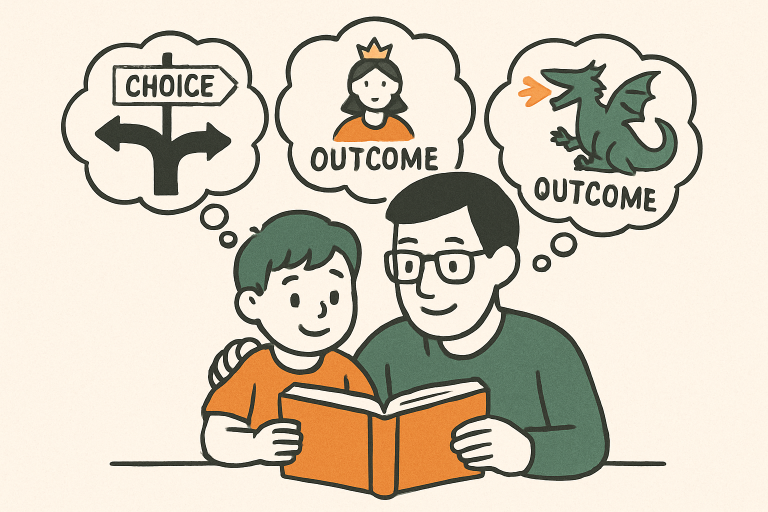
Teaching children how to make thoughtful decisions is a skill that can shape their confidence, empathy, and problem-solving abilities. One of the most effective ways to nurture this skill is through storytelling. Stories provide a safe space for children to explore choices, consequences, and different perspectives without real-world risk. By engaging with characters who face challenges and dilemmas, young readers begin to understand the importance of thinking carefully, weighing options, and considering how their decisions affect others. This process encourages reflection and helps children develop a foundation for critical thinking that extends beyond the storybook pages.
Books like the Lion President Book offer vivid examples of decision-making in action, showing how characters navigate challenges and make choices that impact those around them. Through these narratives, children can see the ripple effects of decisions, learn to anticipate outcomes, and practice empathy. Using stories as a guide, parents and educators can help children build strong decision-making skills in a fun and relatable way.
Table of Contents
The Role of Stories in Decision-Making
Stories provide a unique framework for children to experience the journey from choice to consequence without facing real-world risks. By observing how characters succeed or stumble depending on their decisions, children can explore boundaries, learn from mistakes, and build resilience. Whether in classic fables where choices yield moral lessons or contemporary tales set in familiar settings, storytelling translates abstract decision-making processes into concrete outcomes.
Emotional Connection and Empathy
A significant benefit of sharing stories is the emotional bond children form with the characters. This connection encourages empathy, as young listeners view situations through another’s eyes, processing emotions, motivations, and challenges. When a beloved character makes a tough decision or overcomes adversity, children viscerally understand the emotional stakes involved in real-life choices. Such experiences are critical in cultivating not only empathy but also self-awareness and a nuanced understanding of consequences. The empathy gained through narrative can influence how children interact with peers and process their own feelings, preparing them for thoughtful decision-making throughout life.
Interactive Storytelling Methods
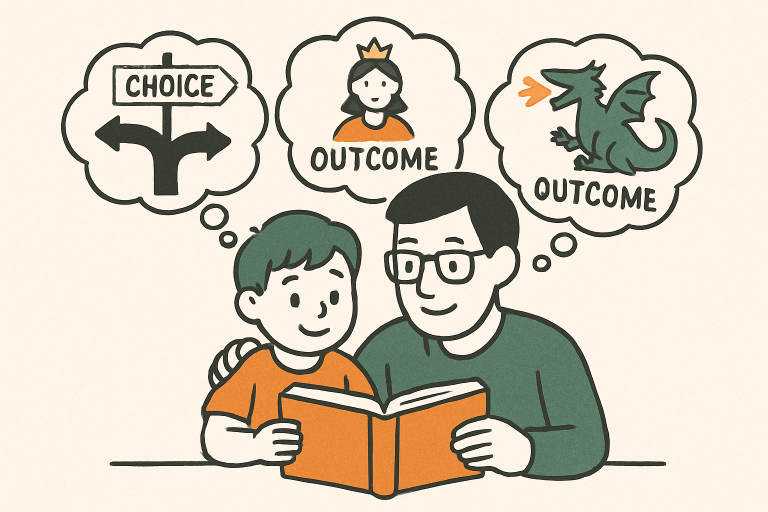
To maximize the learning potential of stories, many educators and parents use interactive elements such as role-play, guided discussions, or choice-based games. For example, reenacting a story allows children to embody different characters, make new decisions, and witness alternative outcomes in a controlled environment. Board games and “choose your own adventure” books invite kids to explore a range of choices and experience immediate feedback. Such methods are not only enjoyable but also reinforce lessons, increasing engagement and retention. According to a Psychology Today report, interactive approaches help children better internalize critical concepts while fostering creativity and independent thinking.
Encouraging Reflection and Discussion
After listening to or reading a story, meaningful growth is fostered through reflection. Open-ended questions, such as “What would you have done differently?” or “How did the character feel about their choice?” invite children to think critically about both the narrative and their own inclinations. Group discussions allow them to articulate their reasoning, discover new viewpoints, and learn from peers in a collaborative setting. This reflective practice builds confidence in their decision-making abilities and reinforces the process of evaluating options before acting.
Modeling Decision-Making as Adults
While stories and discussions are invaluable, children also learn from observing the adults in their lives as they navigate decisions. Modeling transparency in decision-making, such as explaining why you chose one action over another, helps demonstrate thoughtful processes, weighing pros and cons, and considering the impact on others. When adults show vulnerability, admit mistakes, and embrace learning, they reinforce the idea that decision-making is a skill that develops over time and with practice. Consistently sharing your reasoning and inviting children into those conversations can deeply influence how they approach their own choices.
Conclusion
Storytelling is a powerful and dynamic approach to teaching children decision-making skills. Through emotionally rich narratives, interactive experiences, real-life scenarios, and adult modeling, children learn to anticipate consequences, practice empathy, and reflect on their choices. Integrating these strategies empowers children to navigate challenges thoughtfully and confidently, equipping them with tools for lifelong growth.