
Table of Contents
Understanding Emotional Trauma and PTSD
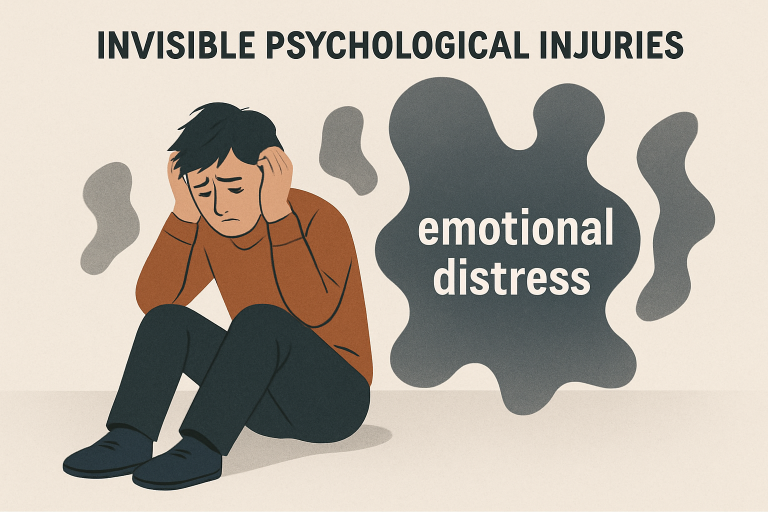
Emotional trauma and Post-Traumatic Stress Disorder (PTSD) are serious psychological injuries that can affect victims long after a physical accident has occurred. These conditions may arise from car crashes, slips and falls, workplace accidents, or any distressing event. Recognizing the impact of such trauma is vital for ensuring that victims receive holistic care and support as they heal. The psychological aftermath of an accident can be just as debilitating as physical injuries, if not more so.
Obtaining the support of qualified professionals—like the team at BlakeFriedmanLaw—can be invaluable in documenting injuries and navigating legal remedies. Their experience can help victims access crucial resources and pursue compensation that covers not only physical but also emotional suffering. By recognizing symptoms of PTSD, such as anxiety, depression, nightmares, or avoidance behaviors, individuals can take early steps toward treatment and recovery.
In Nevada, emotional trauma often surfaces alongside traditional injuries and may include symptoms like flashbacks, emotional numbness, and social withdrawal. The Centers for Disease Control and Prevention emphasizes the widespread mental health impact of traumatic events and the importance of both immediate and ongoing care.
Sadly, victims sometimes underreport emotional and psychological impairment due to stigma or lack of awareness, making early evaluation and ongoing documentation especially essential.
Nevada law acknowledges emotional distress as a valid and compensable injury. Psychological conditions, including PTSD, qualify for damages within personal injury claims when evidence supports their existence and connection to the underlying accident. The Nevada Supreme Court recognizes claims for negligent infliction of emotional distress, enabling victims to seek justice for mental suffering, even absent severe visible wounds. Nevada statutes ensure that a claim for emotional distress may stand alone or accompany claims for physical harm.
Courts typically require claimants to present credible, corroborating proof from licensed mental health providers, ensuring that legitimate claims are distinguished from exaggeration or fabrication. Awareness that such legal recognition exists helps empower victims to seek comprehensive justice.
Challenges in Proving Emotional Trauma
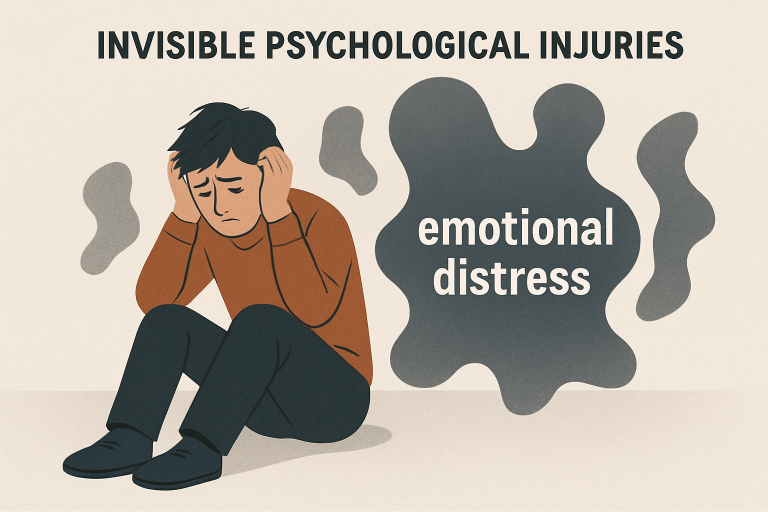
Unlike cuts, bruises, or broken bones, emotional trauma is invisible. This complicates litigation, as the burden falls on victims to provide compelling evidence that PTSD or emotional distress is genuine and directly related to the incident in question. Records from psychologists, psychiatrists, or therapists, combined with statements from family, friends, or colleagues, strengthen a case.
Courts often scrutinize claims closely due to the subjective nature of psychological injury. Expert testimony plays a crucial role, as mental health professionals can explain how the trauma relates to the event in question and describe its long-term impact. Without prompt assessment and clear documentation, it can be challenging to demonstrate the connection between the traumatic event and ongoing emotional struggles. Early medical evaluation and consistent follow-up increase the chances of a successful resolution.
Statute of Limitations for Emotional Distress Claims
Nevada law places a two-year statute of limitations on personal injury lawsuits, which includes claims for emotional trauma and PTSD. The countdown begins from the date of the incident. Failing to file a claim within this window can result in permanent loss of recovery, emphasizing the importance of acting promptly. Delays can impede access to documentation and evidence, making it much more difficult to prove that the accident directly caused psychological injuries. For further legal background, prominent publications like Nolo provide overviews of Nevada’s personal injury statutes.
Anyone suffering from lingering psychological symptoms after an accident should consult an attorney as soon as possible to safeguard their legal rights and ensure critical evidence is gathered.
Compensation for Emotional and Psychological Injuries
Victims of accidents that cause emotional trauma or PTSD may be eligible for several types of compensation. These typically include:
- Medical Expenses: Reimbursement for mental health treatment, therapy, and medications, both past and future.
- Lost Wages: Covering time taken off from work due to an inability to perform job duties as a result of psychological injuries.
- Pain and Suffering: Monetary awards to address diminished quality of life or emotional distress extending beyond direct therapy costs.
Careful documentation, ongoing treatment, and legal guidance are vital to accurately quantifying these damages and pursuing full compensation.
The Role of Legal Representation
The complexities of claims involving invisible injuries reinforce the need for specialized legal guidance. Knowledgeable personal injury attorneys assist victims throughout the claim process, from gathering essential evidence and facilitating evaluations to negotiating with insurance providers and, if necessary, presenting a compelling case at trial.
Legal professionals not only understand the nuances of Nevada law but also the unique challenges associated with psychological injury claims. Their involvement ensures that claimants’ rights are protected and that all potential avenues for compensation are thoroughly and strategically explored.
Real-Life Implications of Emotional Trauma
Consider the case of a Nevada police officer whose traumatic experience led to PTSD. Despite clear and credible evidence from healthcare professionals, the officer faced significant delays and obstacles within the state’s workers’ compensation system. Challenges in proving the full extent of his psychological injuries, along with bureaucratic hurdles, heightened his suffering and complicated his recovery process. This scenario underscores the importance of prompt legal assistance and comprehensive documentation when seeking benefits for psychological injuries.
This real-world example highlights the broader need for reform and increased awareness of emotional trauma in the legal and medical communities. It also demonstrates the critical importance of timely action, thorough documentation, and the support of experienced professionals during the claims process.
Conclusion
Emotional trauma and PTSD are profound and life-altering conditions that frequently follow personal injuries in Nevada. State law provides a path to pursue compensation for these invisible wounds, but success requires swift action, robust documentation, and specialized legal advocacy. By understanding their rights and the array of support available to them, victims of emotional trauma can take necessary steps toward recovery, both in the courtroom and in their personal lives.