
Designing a booklet that stands out requires more than just basic graphic skills. It calls for a thoughtful approach that integrates visual appeal, brand alignment, and innovative elements. Whether your booklet acts as a product catalog, an event guide, or a promotional tool, the right design can significantly impact how your message is received. By exploring the latest trends and classic techniques, you can create a publication that leaves a lasting impression. If you are looking for inspiration or want to elevate your next project, consider the unique possibilities that professional booklets offer for brand storytelling and engagement.
Creativity is essential in strategic planning, as design choices significantly affect reader engagement. Effective booklets depend on cohesive design elements, including imagery, typography, and material selection, all reflecting the brand’s identity. By combining innovative and practical approaches, a simple pamphlet can become a powerful communication tool, enhancing both aesthetics and functionality.
Table of Contents
Unique Layouts and Sizes
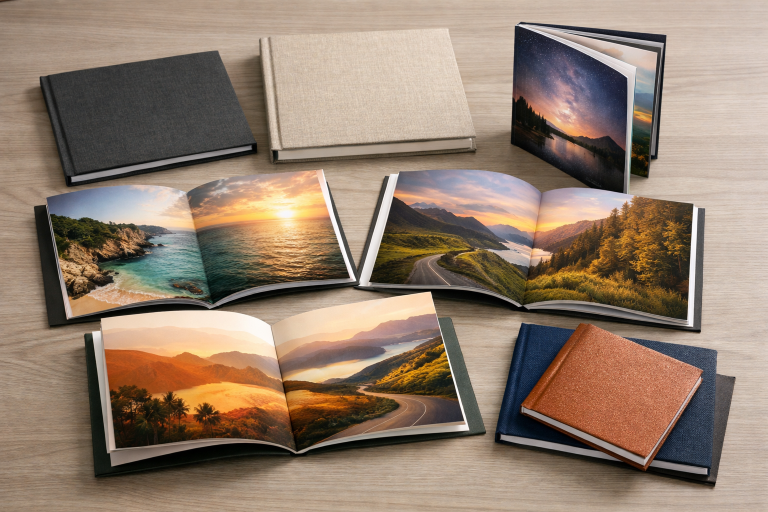
One of the quickest ways to make your booklet memorable is to experiment with its size and shape. Moving beyond traditional dimensions can draw instant interest and differentiate your piece from standard publications. Experimenting with square, mini, or landscape formats enables creative flow and better fits unique content or themes. For example, a landscape layout may complement photography-focused booklets, while a small, pocket-sized guide feels perfect for event handouts.
Additionally, incorporating gatefold or accordion-style spreads creates a sense of surprise and delight as readers unfold sections in unexpected ways. Mixing up the structure keeps the content engaging and provides designers with different visual canvases for storytelling. Custom die-cuts can further tailor the physical shape to reflect the subject or branding, think rounded corners for a softer aesthetic or a custom silhouette that echoes a product.
Engaging Cover Designs
The cover serves as your booklet’s handshake, making a strong first impression crucial. Use bold, impactful typography paired with high-contrast colors for immediate recognition. Consider incorporating compelling visuals, whether photography, illustrations, or creative artwork that visually narrates the essence of your content. Textured finishes, such as soft matte or high-gloss coatings, add a tactile element that can make the booklet irresistible to pick up.
When brainstorming cover ideas, consider how different materials, like transparent vellum overlays or embossed metallic accents, can create a multi-layered impact at first glance. Special printing techniques, such as spot UV or raised ink, lend an extra dimension that begs to be touched, while minimalist layouts can convey sophistication and clarity.
Incorporating Interactive Elements
Interactivity brings booklets to life and enhances reader engagement. Innovative ideas range from pop-up illustrations and fold-out sections to envelope pockets for inserts. Pull-out tabs and sliders encourage exploration, while strategically placed QR codes can lead to digital experiences, such as video demonstrations or exclusive online resources. Interactive features should feel purposeful and align with the booklet’s intent, making learning or browsing more immersive and enjoyable for your audience.
Incorporating puzzles, quizzes, or fill-in-the-blank pages adds an element of fun and encourages users to participate in the booklet’s narrative. These features can add tremendous value to educational or informational booklets by making the content personally relevant and memorable for readers.
Typography and Color Schemes
Typography and color choice are the backbone of visual communication. Select fonts that balance readability and personality, ensuring they match your brand’s tone. A cohesive color scheme not only unifies the design but also guides readers through the content, setting the mood and emphasizing key points. Use color to differentiate sections or to highlight important messages. The Canva guide to font pairing can help you make informed and visually pleasing typography decisions for your booklet.
When designing a multi-section booklet, try alternating color accents or background shades to signal a change in topic or flow. This approach assists navigation and keeps the audience visually engaged. Additionally, exploring unique font pairings that still maintain legibility can give your publication a custom, branded appearance.
Utilizing High-Quality Imagery
Images form the heart of visually compelling booklets. High-resolution photography and clear, relevant graphics bolster professionalism and message clarity. Custom photo shoots can be worthwhile investments for larger campaigns, ensuring every visual detail is tailored to your story. If budget is a concern, carefully selected stock imagery can also serve as a strong visual foundation. Above all, authenticity is key – choose images that resonate with your target audience and reflect your brand values.
Try integrating infographics, charts, or illustrated icons to make complex information easier to digest and visually appealing. The right mix of image types helps break up text and maintains interest throughout your booklet, even in highly informational or technical content.
Choosing Sustainable Materials
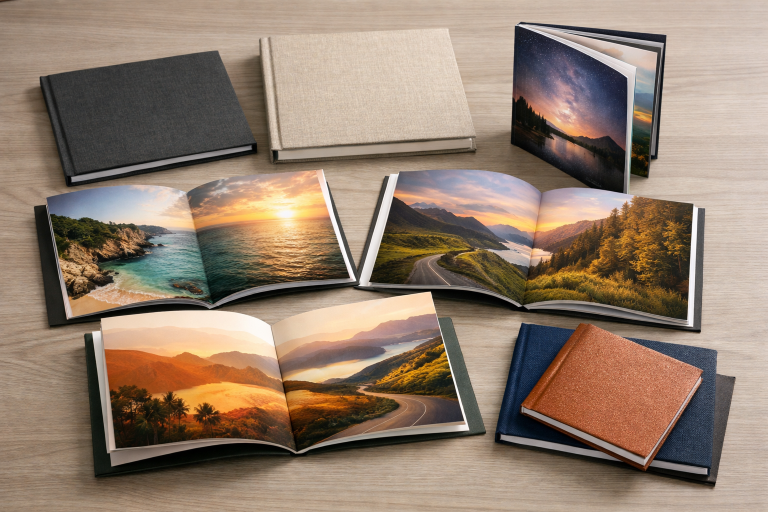
With environmental consciousness on the rise, using sustainable materials for your booklet can set your brand apart and appeal to an eco-minded audience. Recycled paper, soy-based inks, and low-impact finishes demonstrate a commitment to responsibility. Supplying details about your sustainability choices within the booklet itself adds transparency and can foster trust. This approach is increasingly expected by both individual consumers and business partners.
Consider mentioning how your booklet production supports broader eco-initiatives or certifications, such as FSC or Green Seal, which can further enhance your brand’s credibility and positive perception among conscientious customers.
Adding Tactile Finishes
Sensory appeal extends beyond sight. Tactile finishes can leave a lasting impression, turning an ordinary booklet into a memorable keepsake. Techniques such as embossing or debossing add dimensionality to text or images, while foil stamping introduces reflective highlights for greater sophistication. These treatments can make your booklet stand out not just visually but also through touch, reinforcing the perception of quality and attention to detail.
Combining different tactile techniques, such as pairing soft-touch coating with metallic foils, elevates the sensory impact. These premium detailing options can be especially effective for luxury brands, limited-edition products, or milestone event guides, where you want recipients to feel valued.
Integrating Digital Elements
Print and digital platforms can enhance user experiences by integrating technologies such as QR codes, NFC chips, and augmented reality markers into booklets, enabling readers to engage with video content and interactive storytelling. It’s crucial to ensure these integrations are seamless and user-friendly to effectively connect physical and digital realms while maintaining user engagement. Monitoring engagement through analytics provides valuable insights that help refine future editions. By combining traditional design principles with modern trends, well-crafted booklets can both stand out visually and serve as functional, inspirational communication tools aligned with the creator’s goals.
Conclusion
Unique layouts, creative cover designs, and thoughtful material choices transform booklets into memorable brand experiences. These elements, alongside strong typography, high-quality imagery, and tactile finishes, work in concert to attract attention, convey value, and make a lasting impression. Integrating interactive and digital features enhances engagement by merging physical storytelling with modern technology, making content more dynamic, accessible, and measurable. Moreover, using sustainable materials and intentional design reflects a brand’s values, fostering trust and reinforcing credibility. Well-designed booklets engage multiple senses, guide readers through meaningful content, and harmonize creativity with functionality, establishing them as powerful communication tools in both print and digital realms.