
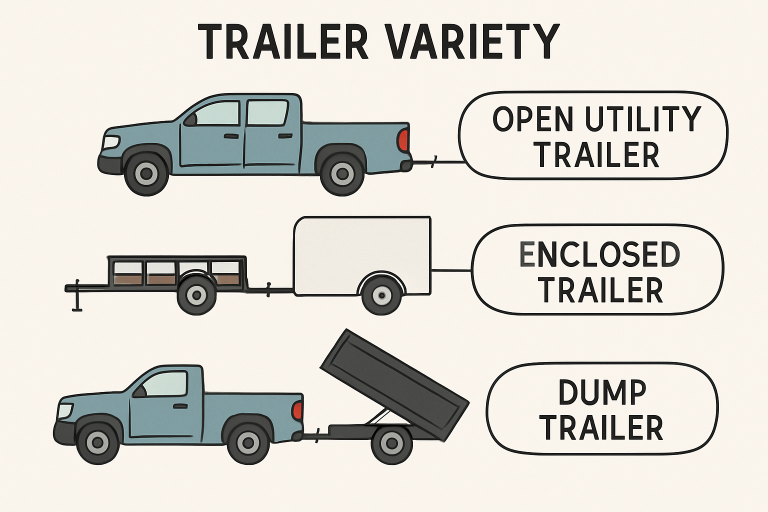
Transporting goods, equipment, or even recreational vehicles efficiently starts with choosing the correct trailer. Not all trailers are created equal, so selecting the right one is essential for safety, performance, and protecting your investment. Whether you are a business owner managing a fleet or an individual preparing for DIY projects, there are several factors to consider when selecting trailers for sale.
Trailer selection goes beyond price or appearance. It requires careful consideration of what, where, and how you’ll be hauling, as well as how your choice aligns with your towing vehicle and safety requirements. Picking the wrong trailer can increase maintenance costs, lead to operational inefficiencies, and introduce unnecessary hazards during transportation.
With a market flooded with options, understanding the nuances between types, sizes, and materials is crucial. For businesses, a trailer represents not just a short-term tool, but a long-term asset impacting productivity and reliability. For personal users, the right trailer means safer leisure activities and hassle-free weekends on the road.
Assessing the details before committing to a purchase can save both time and money while ensuring every transport runs smoothly. By evaluating your individual needs and what each trailer offers, you can make a decision that keeps both your cargo and passengers protected.
Table of Contents
Assess Your Hauling Needs
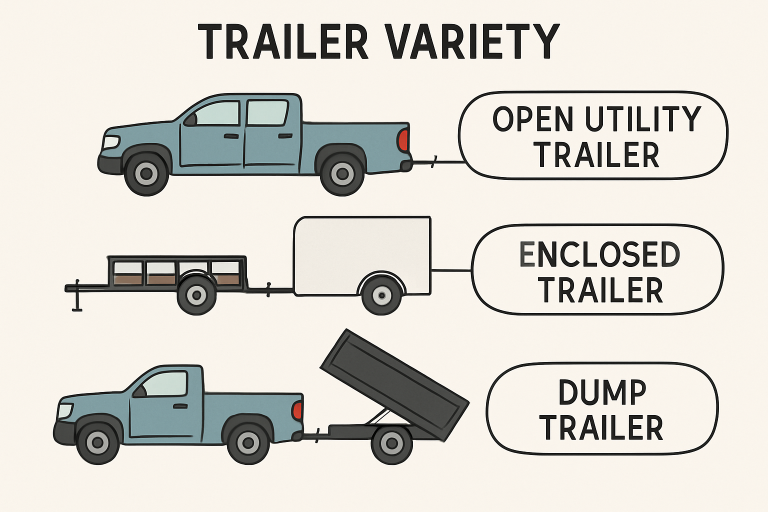
The first step in the process should be defining precisely what you’ll be hauling. A landscape company may value an open utility trailer with ample tie-downs for lawn equipment, while a construction business may require a dump trailer for moving heavy debris. Individuals who plan to tow recreational vehicles, motorcycles, or boats will need specialized options with the right flooring, ramps, and enclosure.
Prioritizing your main use cases will narrow the trailer choices and help you avoid overspending on unnecessary features. Start with questions such as: What is the size and weight of my usual load? Will I load and unload by hand or machinery? Does my cargo require weather protection? The answers will quickly clarify which designs and features should top your list.
Determine the Right Size and Weight Capacity
The size of your trailer and its weight capacity are closely linked to performance and safety. For light-duty business uses, sizes typically range from 5×8 to 6×12 feet. Heavier operations may demand trailers as large as 7×16 or even 8.5×20 feet, as noted by Wright-Way Trailers. Always check a trailer’s Gross Vehicle Weight Rating (GVWR) and match it to your tow vehicle’s capacity to prevent accidents and excessive wear.
Overloading even a new trailer can result in frame damage, tire blowouts, or brake system failures. On the other hand, an oversized trailer might be challenging to maneuver and put unnecessary strain on your vehicle’s powertrain. Consult your owner’s manual and, if unsure, seek the advice of reputable trailer dealers or mechanics on what your setup can handle.
Select the Appropriate Trailer Material
Trailer materials typically consist of steel and aluminum. Steel is more affordable and offers strength on construction-heavy sites, but requires frequent maintenance to avoid rust, especially in snowy regions where roads are salted. Aluminum trailers are preferred when weight savings and resistance to corrosion are priorities. While they generally have a higher upfront cost, they offer easier handling, lower maintenance demands, and better long-term value.
Routine exposure to rain, salt, or extreme temperatures should significantly influence your decision. For those using a trailer year-round or in harsh environments, the benefits of an aluminum frame will quickly justify the expense. Proper care—such as regular washdowns and inspections—will further extend a trailer’s lifespan, regardless of its makeup. For more information on durability choices, consult resources such as Popular Mechanics.
Consider the Terrain and Driving Conditions
The terrains you’ll travel affect not only your trailer’s design but also its features. Navigating rough or unpaved roads requires reinforced axles, superior suspension, and shock absorption for stability and cargo protection. Areas with heavy rainfall, snow, or ice benefit from corrosion-resistant parts and high-traction tires, reducing the risk of accidents or costly part replacements.
Environment-specific add-ons—like all-weather lighting, mud flaps, or lockable toolboxes—can provide added safety and functionality. It’s wise to prepare not only for routine hauls, but also for rare situations like emergency braking or sudden storms, as advised in coverage from Consumer Reports.
Ensure Compatibility with Your Tow Vehicle
Matching your trailer to the proper tow vehicle is non-negotiable. Examine your vehicle’s owner’s manual for its rated towing capacity. Make sure the hitch and ball sizes are correct for the trailer. Verify both feature-compatible electrical connections for brake lights and turn signals, and calculate the total combined weight you’ll be moving. Exceeding recommended limits can spell disaster for your engine, transmission, and brakes, while also putting all occupants at risk.
It’s best to err on the side of caution—and if your needs grow, consider upgrading your tow vehicle or trailer to maintain a safe margin. Modern cars often come equipped with towing packages that boost these capabilities, but they also require diligent maintenance and periodic inspections.
Prioritize Safety Features
Safety should remain paramount throughout the trailer buying and maintenance process. Key features to look for include reliable braking systems—electric brakes are now standard for larger loads—sturdy hitch mechanisms, reflective lighting, and breakaway cables. For enclosed trailers, reinforced locks and hinges deter theft while cargo remains protected from the elements.
Conduct routine safety checks: inspect tires, examine the frame for cracks, and test all lights and brakes before every haul. Investing in higher-quality safety additions and regular maintenance is essential for protecting your investment and everyone sharing the road.
Evaluate Maintenance Requirements
Maintenance demands vary by trailer type and the materials used. Steel trailers often need regular inspection for rust, repainting, and lubrication of hinges and joints. Aluminum models, although more resistant to corrosion, still require regular cleaning and inspection for structural integrity. Keep a log of all service and address issues, addressing them promptly. Neglecting maintenance can severely reduce your trailer’s lifespan and void warranties.
Familiarize yourself with the basics of trailer maintenance, including checking tire pressure, lubricating moving parts, and cleaning electrical connections. Regular care will not only extend your trailer’s service life but also help maintain its value if and when you decide to upgrade in the future.
Conclusion
The right trailer is well-matched to both your hauling needs and your tow vehicle, suited to the conditions you’ll encounter, and equipped with all necessary safety features. By taking the time to make an informed decision and practicing thorough maintenance, trailer owners can enjoy safe and reliable transportation for years to come. Invest wisely and consult reputable resources to ensure you’re making choices backed by industry standards and expert advice.