
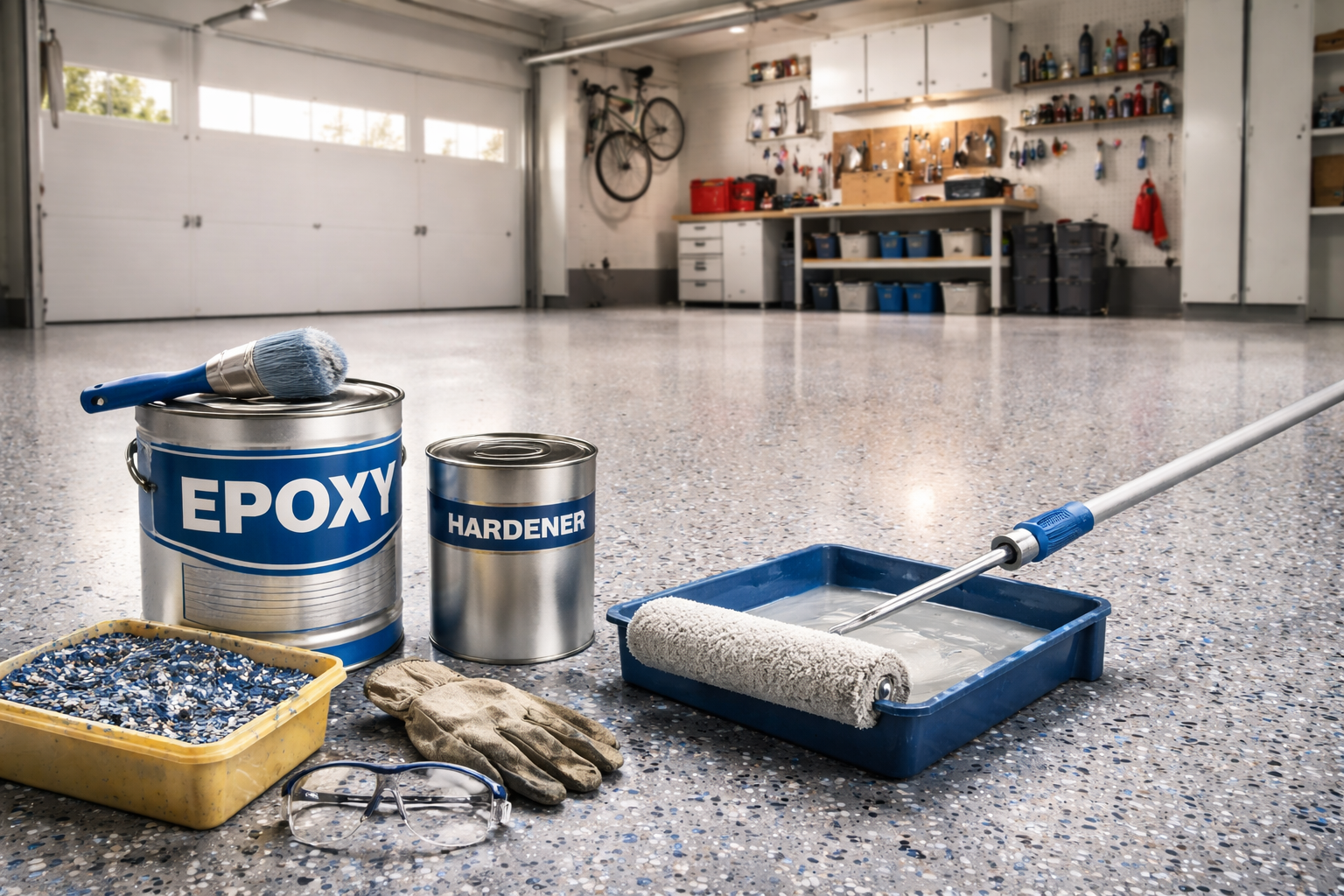
A well-maintained garage floor is more than just an aesthetic upgrade—it can significantly improve the durability and safety of the space. Over time, concrete surfaces are prone to wear, staining, and minor cracks, which can lead to long-term damage if left unaddressed. Applying a proper floor coating is a practical way to protect the concrete, extend its lifespan, and create a cleaner, easier-to-maintain environment. From resistance to chemicals and moisture to improved traction, modern garage floor coatings offer a range of benefits for homeowners and businesses alike.
When considering a coating solution, it’s important to follow established best practices, including surface preparation, selecting appropriate materials, and applying coatings under suitable conditions. Solutions such as concrete epoxy flooring in Asheville offer a durable, versatile option that balances protection with a polished appearance. By adhering to recommended techniques, any garage floor can achieve both functional and visual improvements.
Table of Contents
Surface Preparation
Ensuring your concrete surface is cleaned, repaired, and tested sets the stage for a long-lasting coating. Start by removing debris, dirt, and grease with a degreaser or heavy-duty cleaner. Address any oil stains using a concrete-safe solution, and use a pressure washer if possible to get the deepest clean. After cleaning, patch cracks and holes with an appropriate concrete repair compound. Finally, test for excess moisture by taping a sheet of plastic to the floor; condensation indicates a need for more drying before coating application. Properly prepared surfaces are critical since contaminants or moisture can lead to peeling and bubbling.
Choosing the Right Coating
There are several types of coatings available, each offering distinct benefits for garage floors. Epoxy coatings are widely recognized for their toughness and chemical resistance, making them a reliable choice for most residential garages. Polyaspartic coatings are valued for their fast cure times and resistance to ultraviolet light, which is particularly beneficial for garages with direct sun exposure. Polyurea coatings, on the other hand, offer greater elasticity and impact resistance, making them ideal for garages that experience heavy traffic or equipment use. Selecting the right coating depends on your garage’s usage, sunlight exposure, and desired finish. For homeowners unsure of the best option, consulting experienced garage floor contractors near me can provide tailored recommendations and ensure proper installation for long-lasting results.
Application Techniques
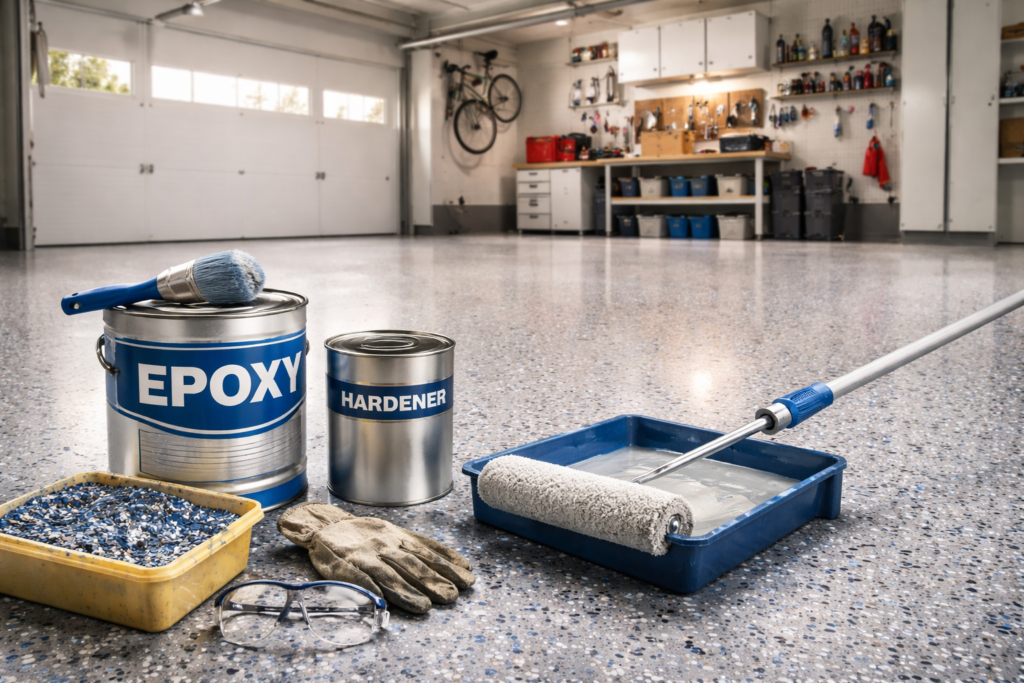
Applying a floor coating is not just about spreading liquid on the surface; attention to detail at every stage prevents issues later. Most products require precise mixing according to the manufacturer’s guidelines to properly activate the resin and hardener. Use a roller with an extension pole or a specialized sprayer for even distribution. Many coatings require two or more thin layers for optimal results, allowing adequate drying time between applications. Some projects benefit from optional color flakes or anti-slip additives. Applying coatings evenly and patiently ensures an attractive, professional-grade look.
Curing Process
The curing process is vital to achieving a resilient, glossy finish. Different products have varying cure times, and climate plays a role in setting the speed. Polyaspartic coatings may cure within 24 hours, while epoxy types often take up to 72 hours or more before returning to full service. Low humidity and moderate temperatures help coatings achieve optimal hardness. Avoid using the garage during this period, and protect the surface from pets, dust, or falling debris.
Maintenance Tips
Maintaining your newly coated garage floor is simple with consistent care. Sweep or dust mop the surface regularly to eliminate gritty dirt that could scratch the floor. Mop with a gentle, pH-neutral cleaner as needed to keep the finish glossy and free of residue. Remove any automotive fluids or chemicals from spills promptly to prevent permanent stains. Inspect the surface every few months for chips or wear marks, and promptly address repairs to avoid larger issues.
Common Mistakes to Avoid
Even quality products can fail if applied incorrectly. Common pitfalls include skipping thorough cleaning and failing to repair the floor before applying the coating. Failing to mix coating components as instructed can result in a tacky or uneven finish. Ignoring the recommended application and cure conditions, such as applying in high humidity or cold temperatures, also risks premature failure. By planning carefully and following best practices, you can avoid these issues and enjoy a durable, attractive garage floor.
Safety Considerations
Applying garage floor coatings involves handling chemicals that may emit strong fumes. Wear gloves, goggles, and a suitable respirator when mixing and applying products. Adequate ventilation in the workspace is essential to reduce inhalation risks. Keep pets and children away from the garage, and follow manufacturer instructions for safe storage and disposal of unused materials. Safety precautions help ensure the process is both effective and free from health hazards.
Conclusion
Garage floor coatings can transform the look and functionality of your space, offering protection and pride for years to come. By focusing on proper preparation, selecting the right materials, and maintaining the finish, homeowners can expect a floor that withstands daily wear and tear. These best practices deliver a lasting improvement and are a worthwhile project for anyone ready to upgrade their garage environment.