
Abortion is a medical procedure that terminates a pregnancy and is provided in a variety of medically approved ways to ensure safety and effectiveness, mainly for those who need it. Whether a person seeks out care in their own community or looks for specialized abortion doctors in Michigan, understanding the methods available and the implications of each can empower informed decisions. Choices about abortion can depend on personal circumstances, health history, legal factors, and the specific gestational age at the time of the procedure.
The range of available abortion procedures means that people can explore options best suited to their needs. Advances in medical technology and a growing network of providers have increased the safety and accessibility of abortion care, both through in-person visits and telemedicine. Additionally, evolving laws and access issues make it even more critical for individuals to have accurate and timely information about their rights and options. Comprehensive care involves not only the procedure itself but also emotional support and post-abortion care to ensure ongoing health and well-being.
Table of Contents
Types of Abortion Procedures
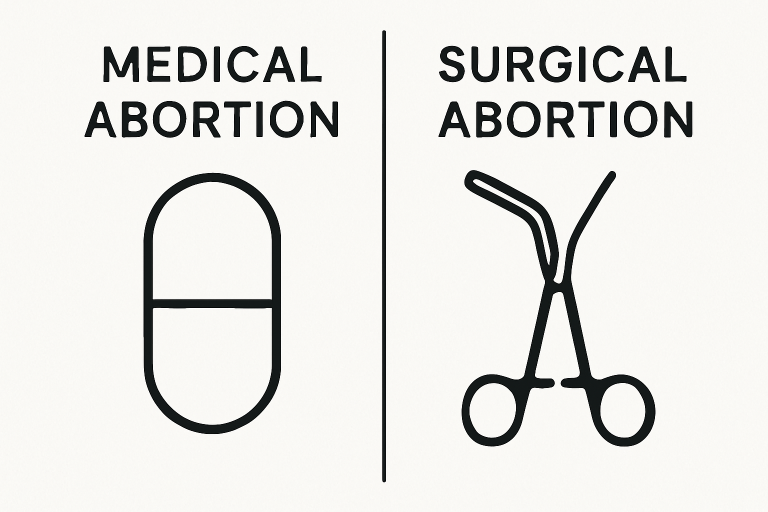
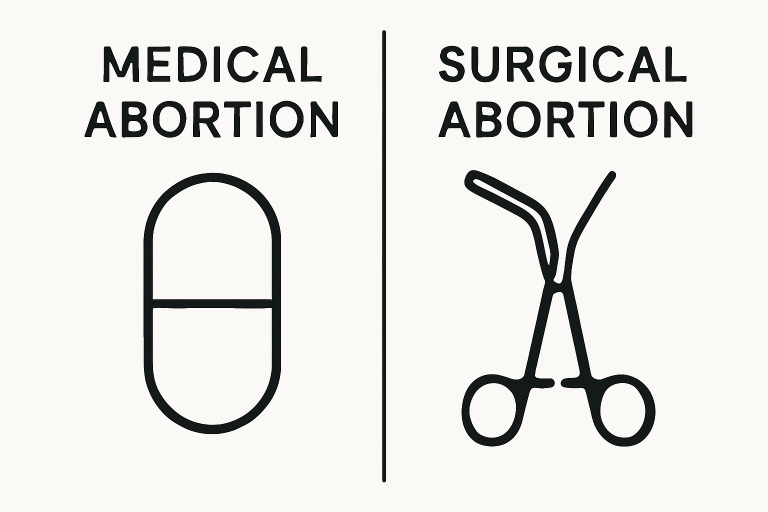
Abortion procedures are classified into two primary categories: medical and surgical. The choice between them depends largely on how far along the pregnancy is, individual health conditions, and personal preference. Determining the right approach often involves discussions with a licensed healthcare provider who can assess medical history and provide comprehensive guidance regarding the safest, most effective option.
Many reputable medical organizations, such as the American College of Obstetricians and Gynecologists, provide detailed information on these procedures and help guide individuals through their options. The distinction between medical and surgical abortion is most significant when considering timing, recovery, and support needs.
Medical Abortion
Medical abortion involves ending a pregnancy through medication rather than surgery. This method is usually recommended during the first 10 weeks of gestation and is widely regarded as safe and effective. Medical abortion typically follows a two-drug regimen:
- Mifepristone: Taken first, this medication blocks progesterone, which is necessary for sustaining a pregnancy.
- Misoprostol: The second medication, taken hours or days later, triggers contractions and expulsion of pregnancy tissue by the uterus.
According to the World Health Organization, when medical abortion is performed with the correct guidance, it is both highly safe and effective, with very low rates of serious complications. For more details about medical abortion, visit the World Health Organization’s abortion resources.
Surgical Abortion
Surgical abortion encompasses a range of procedures used throughout various stages of pregnancy. The two most common surgical methods are:
- Aspiration (Vacuum Aspiration): Suitable for pregnancies up to 16 weeks. This technique uses gentle suction to remove pregnancy tissue from the uterus. The majority of abortion procedures in the United States fall under this category and typically take less than 15 minutes to perform.
- Dilation and Evacuation (D&E): Recommended after 16 weeks. This method requires dilating the cervix and removing the fetus and placenta using surgical instruments and suction. D&E is a standard procedure for second-trimester abortions and is noted for its safety and effectiveness when completed by trained professionals. For more on D&E, see this Wikipedia resource.
Safety and Effectiveness
When performed by qualified professionals with appropriate medical protocols, both medical and surgical abortion procedures are very safe. According to a comprehensive report from the National Academies of Sciences, Engineering, and Medicine, significant complications are rare. Long-term risks, such as effects on fertility or future pregnancies, are also uncommon. Most people recover fully within days to weeks, especially with access to supportive post-procedure care. For a thorough discussion, see this article on abortion safety from Time Magazine summarizing the research.
Legal Considerations
The legal status of abortion varies dramatically from place to place. In some countries and regions, abortion rights are firmly protected by law. In others, restrictions may significantly limit access or criminalize specific abortion methods. In the United States, for example, state-by-state differences determine waiting periods, gestational limits, and requirements for counseling or parental consent. It is crucial to check local laws or consult trusted advocacy resources to understand one’s rights and available options regarding abortion in a given location.
Access to Abortion Services
Access to abortion is shaped by legal, geographic, and economic barriers, as well as stigma related to reproductive health. In areas without nearby clinics or providers, travel and costs can pose additional challenges. Telemedicine has become increasingly important in expanding access, particularly where in-person services are limited. It allows for remote consultations and, in some regions, can facilitate medical abortion via mailed medications after a telehealth evaluation. A systematic review published on arXiv found that telemedicine improved access to abortion for individuals in remote or restrictive settings. Read more about these findings on arXiv.org.
Post-Abortion Care
Comprehensive post-abortion care is vital for safeguarding both physical and mental health. Post-procedure monitoring should address potential complications such as infection or excessive bleeding. Support also extends to mental health, as individuals may have a range of emotional responses following an abortion. Contraceptive counseling post-abortion can help prevent unintended pregnancies in the future and foster reproductive autonomy. The World Health Organization strongly recommends that accessible and empathetic follow-up care be made available to all.
Conclusion
Thorough knowledge of abortion procedures, paired with awareness of the legal and healthcare landscape, empowers individuals to make safe, informed choices. Ensuring equitable access to accurate information and high-quality care remains central to protecting health, autonomy, and dignity for all people seeking abortion services.